


Trouble rising from a chair can be an early warning, not just aging. Sarcopenia often hides behind small losses of strength until daily tasks and independence become harder.
Shop Vital Muscle Boost for doctor-formulated muscle support after 60.
What is sarcopenia? In plain terms, sarcopenia is the progressive, age-related loss of skeletal muscle mass, strength, and function. It can appear as slower walking, weak grip, trouble climbing stairs, or needing your hands to rise from a chair. This is not simply about looking thinner; it is about losing the physical capacity needed for ordinary life. The NIH reports that muscle loss begins around age 30, at roughly 3% to 5% per decade, and becomes more noticeable after 60. Left unchecked, declining strength can raise the risk of falls, fractures, and lost independence. Resistance exercise, adequate protein, sound nutrition, and medical guidance can support muscle health, while early attention makes warning signs easier to address.
The question is not only what sarcopenia means, but whether everyday changes are quietly signaling lost muscle and strength. The next section, What is sarcopenia in plain English?, strips away the medical language, so you can recognize the condition before dismissing its warning signs as normal aging. The path begins with a plain definition.
What is sarcopenia in plain English?
In plain English, sarcopenia is the gradual loss of muscle, strength, and physical ability that can happen as people age. It affects more than muscle size or appearance. It can make routine tasks harder, slow a person down, and reduce an older adult's independence.
What changes with sarcopenia?
Sarcopenia involves three related changes: less skeletal muscle, weaker muscles, and poorer physical performance. Medical references describe it as an age-related condition in which muscle mass, strength, and performance become impaired. A person may have one change before the others become clear.
For example, the number on the scale may stay the same while muscle strength falls. Body weight alone cannot show how well muscles work. Strength, balance, walking pace, and the ability to handle daily tasks often give more useful clues.
This distinction matters because muscle size does not always match muscle function. Someone may look slim or strong yet have trouble with daily movement. The pattern over time matters more than appearance alone.
How it differs from soreness
Sarcopenia is not the same as feeling sore after gardening or a new workout. That soreness usually follows a clear activity and improves with rest. Sarcopenia is a longer-term pattern of declining strength or function, not one rough day.
It also differs from simply being out of shape. A short break from activity can lower stamina, but sarcopenia centers on muscle loss plus weaker function. Low activity may worsen age-related muscle loss, yet it is not the whole definition.
What older adults may notice
The first clues can appear during ordinary tasks. An older adult may struggle to rise from a chair, carry groceries, open a jar, or keep a steady walking pace. The National Institutes of Health lists these daily challenges as possible warning signs.
- Needing more effort to stand without using the arms.
- Finding stairs or short walks harder than before.
- Noticing a weaker grip during normal household tasks.
- Losing confidence with balance or routine movement.
These signs do not prove that someone has sarcopenia. Pain, illness, medicine effects, and other health issues can cause similar changes. A clinician can assess the pattern and rule out other causes before suggesting next steps. Those steps may include ways to support muscle health.
The warning signs seniors notice first
Sarcopenia rarely announces itself with one dramatic event. It often shows up as small changes in tasks that used to feel routine. The key is a steady pattern of lost strength, balance, or function, not one tired afternoon after poor sleep or extra activity.
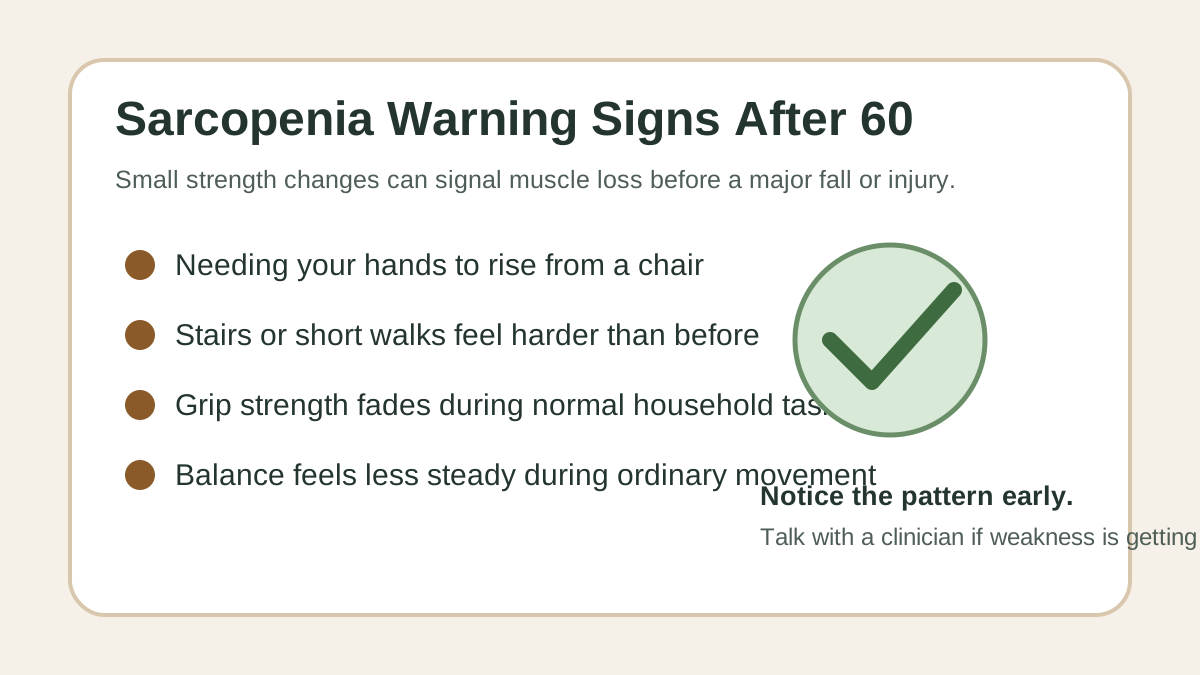
Everyday tasks take more effort
One early clue is needing both hands to push up from a firm chair. You may also pause before standing or need a second try. According to the National Institutes of Health, sarcopenia can make standing, walking, opening jars, and carrying groceries harder.
Stairs may start to feel steeper, even when the steps have not changed. A grocery bag that once felt manageable may now require two trips. Weak grip can also show up when opening a lid, turning a stiff knob, or holding a full pan.
- Using your arms to rise from a chair more often.
- Walking at a slower pace on a familiar route.
- Stopping midway up stairs to rest.
- Struggling to carry normal grocery bags.
Movement feels less steady
Balance concerns may appear before a clear fall. You might reach for counters while walking through the kitchen or feel unsure when stepping off a curb. Muscle loss and weakness are linked with a greater risk of falls and fractures, according to an NCBI clinical review.
Fatigue after routine chores can be another clue. Folding laundry, sweeping one room, or walking to the mailbox may leave your legs unusually tired. This does not prove sarcopenia, but it deserves notice when it keeps happening or worsens.
Visible changes and useful next steps
Some seniors notice that their arms or legs look smaller, even if body weight stays close to the same. Sleeves may hang more loosely, or the thighs may look less full. These changes matter more when they come with weaker grip, slower walking, or harder chair rises.
Keep a simple note of changes for two or three weeks. Record which tasks feel harder and whether the change limits your normal day. Bring that pattern to a doctor, especially if weakness appears suddenly or comes with pain, dizziness, or a fall.
Nutrition and strength work may help support muscle health, but the right plan depends on the person. Revival Point explains options in its guide to supplements for muscle loss. Supplements should support, not replace, medical advice, balanced meals, and safe movement.
Why muscle loss can accelerate after 60
Muscle loss does not begin on a person's 60th birthday. It often starts much earlier and becomes easier to notice later in life. The National Institutes of Health says adults can start losing muscle around age 30. The usual pace is about 3% to 5% each decade.
After 60, several pressures can act at once. Age changes how muscle responds to food and movement. Less activity, too little protein, chronic illness, and hormone shifts can add to the decline.
A weaker muscle-building response
Muscle is always breaking down old tissue and building new tissue. Protein from food supplies the raw material for that repair. With age, the building response can become less strong, even after a meal or normal daily movement.
This means an older adult may need a clearer muscle-building signal. Regular strength work and enough high-quality protein can help provide that signal. Revival Point's guide to supplements for muscle loss explains added nutrition options for adults over 60.
Inactivity can start a harmful cycle
Muscle needs regular work to stay useful. A hospital stay, joint pain, fatigue, or a more seated routine can sharply cut that work. Weakness then makes walking and daily tasks harder, which may lead to even less movement.
Chronic illness can add stress to this cycle. It may lower appetite, limit activity, or make it harder to eat well. NIH notes that chronic illness, lack of exercise, and an unhealthy diet can worsen muscle loss with age.
Menopause and other hormone shifts
Hormones help guide how the body maintains muscle. Their levels and effects can change with age. For women, the hormone changes during menopause can be one more factor behind faster muscle loss. Menopause does not act alone. Changes in sleep, appetite, activity, or protein intake may make lost strength more obvious.
No single cause explains every case. What is sarcopenia for one person may reflect years of slow decline. For another, illness or a long inactive stretch may reveal weakness much sooner. These causes often overlap, so muscle loss after 60 can move faster than normal aging alone would suggest.
Sarcopenia vs. normal aging: what is the difference?
Some muscle change is expected with age, but losing the ability to handle daily life is not something to brush aside. Sarcopenia is a steady loss of muscle mass, strength, and function. The key difference is not simply looking thinner; it is whether muscle loss starts limiting safe, independent movement.
What normal muscle aging looks like
Muscle mass can start to decline from age 30, with an average loss of 3% to 5% each decade. This slow change may be hard to notice at first. An NIH overview of age-related muscle loss explains that exercise, diet, and chronic illness can affect how fast it progresses.
With normal aging, a person may need more rest after yard work or take longer to build strength. Yet they can still get up, walk, shop, and complete routine tasks without major trouble. Their function stays fairly stable, even if their pace is slower.
| What to compare. | Normal age-related change. | Possible sarcopenia. |
|---|---|---|
| Signs. | Slower pace or mild loss of muscle size. | Clear weakness and trouble with daily tasks. |
| Pattern. | Gradual change with stable function. | Ongoing loss of strength and function. |
| Risk. | Usually manageable with normal care. | Higher risk of falls, fractures, and lost independence. |
| What to do next. | Stay active and track changes. | Ask a clinician for an assessment. |
Warning signs that matter
Sarcopenia becomes a concern when weakness changes what a person can safely do. Watch for trouble rising from a chair, walking across a room, opening a jar, or carrying groceries. Repeated falls, a weaker grip, and a sharp drop in activity also deserve attention.
These signs can creep in slowly, so caregivers may spot them first. Notice whether the person avoids stairs, needs help with bags, or stops doing once-routine tasks. Sarcopenia is linked with a greater risk of falls and fractures, not just smaller muscles.
What to do when function changes
Do not assume that new weakness is an unavoidable part of getting older. Write down the tasks that have become harder and when the change began. A clinician can review health conditions, diet, activity, medicines, and other causes of weakness.
Practical support often starts with safe strength work and enough high-quality protein, based on professional guidance. Revival Point also explains supplements for muscle loss for readers discussing nutrition with their care team. Supplements support wellness and should not replace medical assessment, a balanced diet, or prescribed care.
Support healthy muscle aging with Vital Muscle Boost from Revival Point.
For broader wellness support beyond muscle health, you can also review the Revival Point storefront for doctor-formulated supplements made for older adults.
Readers comparing nutritional support options can also review Revival Point's plain-English guide, What Is HMB Supplement? Guide After 60, for more background on HMB and healthy muscle aging.
What helps protect muscle as you age?
Protecting muscle takes a steady plan, not one quick fix. Exercise, daily movement, protein-rich meals, sleep, and medical guidance all have a place. The goal is to support strength, balance, and function while respecting your health needs and avoiding risky overcorrection.
This matters because a lack of exercise and an unhealthy diet can worsen age-related muscle loss. The National Institutes of Health also notes that some chronic illnesses can make muscle loss worse.
A practical muscle-support plan
Start with habits you can repeat safely. A simple plan may look like this:
- Ask your doctor what type of activity fits your health, medicines, balance, and current strength. Get guidance before making a major change.
- Do resistance exercises that challenge your major muscle groups. Begin at a manageable level, then build with help from a trained professional.
- Walk or use another comfortable form of movement on most days. Regular movement keeps activity in your routine between strength sessions.
- Include a useful protein source with meals. Your doctor or dietitian can help you choose an amount that fits your needs.
- Protect your sleep schedule and allow time for rest. If pain, poor sleep, or fatigue limits activity, discuss it with your doctor.
- Review nutritional support with a qualified health professional. Supplements should add to sound food and movement habits, not replace them.
Consistency matters more than a punishing workout. Choose movements you can perform with control, and stop if you feel sharp pain or sudden dizziness. Your plan should help you stay active without creating a new safety risk.
Protein and nutritional support
Food comes first. Build meals around protein foods you enjoy, then add produce, grains, and other foods that suit your medical plan. People who want more detail can review Revival Point's guide to supplements for muscle loss.
HMB, including branded myHMB, may be used as nutritional support for muscle health. It is not a treatment or cure for sarcopenia. Revival Point's doctor-formulated support for muscle health explains how HMB may fit alongside protein and activity.
Before adding any supplement, review the label and dosage with your doctor or pharmacist. This step is wise if you take medicines or manage a health condition. Supplements can support a plan, but they cannot do the work of movement, meals, and rest.
When to involve your doctor
Do not wait for a crisis to ask about muscle health. Mention new weakness, repeated falls, trouble rising from a chair, or a clear drop in daily activity. Your doctor can assess what is happening and help shape a safer next step.
If you are asking what is sarcopenia, focus on function as well as muscle size. A useful plan tracks what you can do, then adjusts activity and support with professional guidance. Small, steady actions are easier to maintain than sudden changes.
When should you talk to a doctor?
Do not assume every weak day means sarcopenia. Tiredness, pain, poor balance, medicine side effects, and several health problems can look similar. A doctor can review the full picture, check for contributing issues, and decide whether strength or body-composition testing is needed.
Signs that call for prompt care
Talk to a doctor promptly if weakness starts suddenly, gets worse fast, or affects only one side. Seek help after a fall, especially if you hit your head, cannot bear weight, or feel new pain.
Also make an appointment for weight loss that has no clear cause. Muscle loss tied to aging is usually gradual. A sudden change may point to another health issue that needs attention.
Changes in daily function
Small changes can be useful warning signs. The National Institutes of Health notes that muscle loss can make common tasks harder. These tasks include standing from a chair, walking, opening a jar, and carrying groceries.
Speak with a doctor or physical therapist if these tasks now feel unsafe or take much more effort. Repeated falls, slower walking, and trouble climbing stairs also deserve a closer look. A physical therapist can check movement and help plan safe activity.
Medicines and health conditions
Bring up muscle weakness during routine visits if you take several medicines or live with a long-term health condition. Some health problems and periods of low activity can worsen age-related muscle loss. Your care team can review possible causes instead of asking you to guess.
Before your visit, write down when the change began and which tasks became harder. Bring a full medicine and supplement list. Note any recent falls, appetite changes, or weight changes. Clear details help your care team see patterns and choose the next step.
Before changing exercise, food, or supplements, ask how those choices fit your health needs and medicines. You can then review ways to support muscle health with your care team. Do not stop a prescribed medicine or try to diagnose sarcopenia on your own.
Frequently Asked Questions
How is sarcopenia diagnosed?
A health care professional diagnoses sarcopenia by checking muscle strength, physical performance, and muscle mass. The visit may include grip-strength testing, walking-speed tests, or body-composition imaging. These checks reflect the core features of sarcopenia described by the National Library of Medicine. Ask for an evaluation if weakness, slow walking, or trouble with daily tasks is getting worse.
At what age does sarcopenia typically begin?
Age-related muscle loss can begin around age 30, long before it becomes obvious. According to the National Institutes of Health, adults naturally lose about 3% to 5% of muscle mass every decade starting at that age. Changes often become easier to notice after 60, especially when inactivity, poor nutrition, or chronic illness speeds the decline.
Can sarcopenia be reversed?
Some people can regain muscle strength, function, and mass, but complete reversal is not guaranteed. Progress depends on age, health conditions, nutrition, activity level, and how advanced the muscle loss is. A practical plan usually combines progressive resistance exercise, adequate protein and calories, and treatment of contributing health problems. A clinician or physical therapist can help set a safe starting point.
What lifestyle changes help prevent muscle loss in seniors?
Regular resistance exercise, enough protein and calories, and consistent daily movement help support muscle health in older adults. Balance training and walking can also support mobility, but they should not replace strength work. The National Institutes of Health notes that inactivity, an unhealthy diet, and some chronic illnesses can worsen age-related muscle loss. Seniors should discuss major exercise or diet changes with a clinician.
Ready to Support Your Muscle Health After 60?
Waiting for weakness to disrupt more of your daily routine can make it harder to protect the strength and independence you value each day. Starting now gives you time to build steady habits around movement, protein, and targeted nutritional support before small warning signs become bigger concerns. One practical step today can help you create a clear, consistent plan that supports your muscle health through the years ahead with purpose and confidence.
Ready to take the next step? Shop doctor-formulated muscle support to add Vital Muscle Boost to your daily nutrition plan. Start now, follow the product directions, and talk to your doctor about how it fits your health needs and goals.
