


Constipation Medicine vs Natural Laxatives
Constipation medicine can bring relief, but the wrong choice can also cause cramps, dehydration, or dangerous interactions, especially after age 60. Many people reach for the first bottle on the drugstore shelf. The fastest product is not always the safest choice, and natural does not always mean gentle.
See how Revival Point supports gentle daily regularity with Total Bowel Release.
The right constipation medicine depends on the cause, your other health conditions, and how long the problem has lasted. Mild constipation often improves with gradual fiber, enough fluids, movement, and a regular bathroom routine. When those steps are not enough, bulk-forming or osmotic laxatives may help. Stimulant laxatives generally deserve more caution and are usually better suited to short-term use. Ask a pharmacist or clinician before choosing a product if you take several medicines or have kidney, heart, or digestive conditions.
Natural does not automatically mean safe, and medicine does not automatically mean harsh. The useful question is simpler: which option fits your situation with the least risk? Start by understanding what each category actually does.
Constipation medicine: Know what each option does
When you feel backed up, you might reach for the first bottle you see on the shelf. But not every constipation medicine works the same way. Some add bulk to your stool while others pull in water or squeeze your gut. Picking the wrong one can cause cramps or make your issue worse. It helps to learn how these tools work before you use them.
Most people have between three bowel movements a week and three per day. If you go less often than that, you might need help to get things moving. You should also watch for when to see a doctor for constipation if your symptoms last more than a week. Always check with a health expert before you start a new routine.
Fiber and bulk-formers
Bulk-forming laxatives are often the first choice for mild cases. They work by taking in liquid in your gut to make stool larger and softer. This bulk tells your bowel to move the waste along. These options are often safe for daily use if you drink enough water. Most adults need about 25 to 31 grams of fiber each day to stay on track.
You must drink at least 8 to 10 glasses of water daily when you take fiber. Without enough fluid, these medicines can make your stool harder. This can lead to more clogs instead of relief. Diet changes and movement are also key parts of a healthy plan.
Osmotics and stimulants
Osmotic laxatives pull water from the rest of your body into your colon. This extra water softens the stool and makes it easier to pass. These work well but can take a day or two to show results. Stimulant laxatives are other options that force the muscles in your gut to squeeze. They work fast but can cause sharp pains if you take too much at once.
The Mayo Clinic warns that you should use these off-the-shelf laxatives with care. Using stimulants too often can make your bowels rely on them to work at all. It is best to use them only for a short time to break a tough cycle. If you need bowel movement regularity, focus on long-term habits like water and walks.
Choosing the right help
Stool softeners are a fourth type of constipation medicine. They do not force a bowel movement. Instead, they add moisture to the stool to prevent straining. This makes them a good choice if you have had recent surgery or have hard, dry waste. They are often mixed with other types for better results. However, they are not a quick fix for a backup that is already severe.
Always start with the most gentle option first. Many seniors find that a mix of fiber and extra water is enough to stay at ease. Avoid taking many types at once unless a doctor says to. Too much use can lead to fluid loss in older adults. Keep track of your results to share with your care team if the issue persists.
| Medicine type | How it works | Time to work | Main benefit |
|---|---|---|---|
| Bulk-forming | Adds size to stool | 1 to 3 days | Safe for daily use |
| Osmotic | Pulls water to gut | 1 to 2 days | Softens hard waste |
| Stimulant | Squeezes gut muscles | 6 to 12 hours | Fast relief |
| Stool softener | Adds fat and water | 1 to 3 days | Prevents straining |
Are natural laxatives safer than medicine?
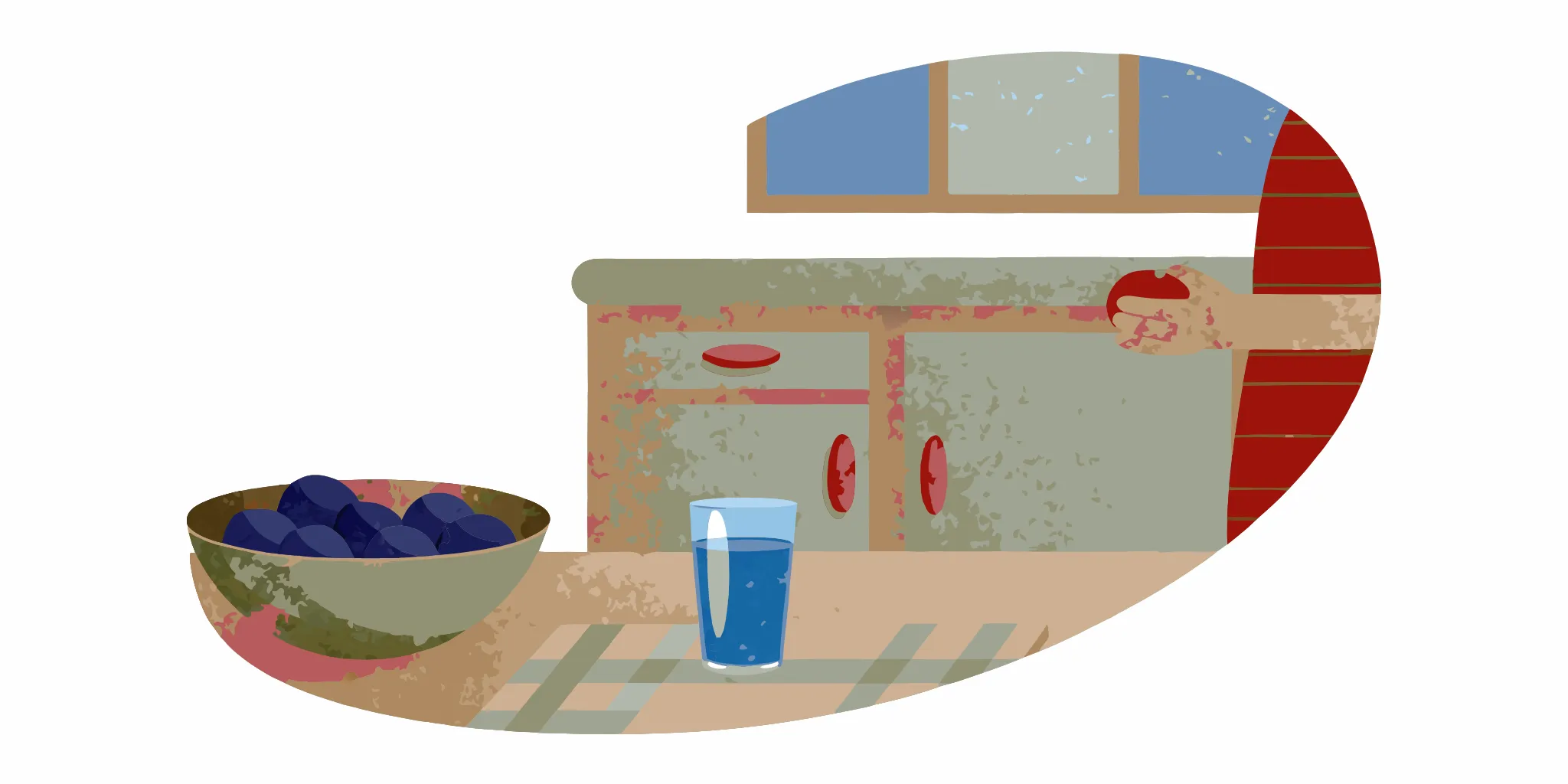
Many people think that "natural" always means safer. They might fear a constipation medicine because of side effects. But the truth is more complex. Natural choices like fiber and prunes are often the first step. Yet, even natural things can cause issues like gas and bloating if you use them the wrong way. A smart plan starts with lifestyle but knows when to use medicine for help.
The truth about fiber and fluids
Fiber is a common tool for gut health. Most doctors suggest natural constipation remedies like eating more fruits and grains. But you must be careful. If you add too much fiber too fast, it can cause pain. You should increase fiber slowly by about five grams each week. This helps your body adjust.
Soluble fiber, like psyllium, is usually better than insoluble fiber for older adults. It is gentler on the gut. You also need to drink plenty of fluids. Without water, fiber can make your stools harder and more difficult to pass. Simple changes like more water and daily walks can do a lot for your gut health.
Comparing natural options to medicine
Natural choices like prunes can work well. Research shows that eating 50 grams of prunes twice a day can help you go more often. This is a simple way to boost your gut health without a pill. But some people need more help. This is where medicine comes in.
Using a constipation medicine once in a while is often fine. But using them for a long time can be a problem. There is a small risk that chronic laxative use could lead to a habit. It is best to use the mildest option that works for you. Always talk to a doctor if you find yourself needing pills every day to have a bowel movement.
Following a safe path to relief
Safety is the top goal. Doctors often use a stepwise plan for relief. This means you start with easy things like more fiber. If that fails, you might try a bulk-forming agent. If you still need help, a doctor might suggest a stronger medicine. This path helps you know when to see a doctor for constipation if simple fixes do not work.
Some older remedies are now seen as risky. For example, mineral oil should be avoided because it can cause lung issues if breathed in. Modern choices are much safer. It is not just about natural versus medical. It is about finding the right balance for your unique body and health needs.
Why laxative safety changes after age 60
As you age, your body handles food and drugs in new ways. What worked in your 40s may not be the best choice once you reach 60. Changes in your heart, kidneys, and gut mean you must be more careful with any bowel movement regularity aid. Safety is about more than just finding relief. It is about keeping your whole body healthy.
How the body changes with age
Older adults often face a mix of things that slow down the gut. A slow step-by-step path to care is key because many seniors have other health issues or take many drugs. These things can change how your gut moves or how well you take in what you eat. As shown in a study from the National Institutes of Health, handling these risks is the first step to staying safe.
Long use of some products can also lead to issues. While facts are still being found, long-term use of some aids might lead to a form of dependency. This makes it even more key to find a safe, steady way that does not rely on harsh drugs. You want a way that helps your body work on its own rather than making a result happen.
Medications and habits
Many common drugs for blood pressure or pain can cause your gut to slow down. Before you reach for a new constipation medicine, look at what you already take. Doctors say you should check your current drugs and habits first. This helps you stop taking extra drugs that you might not need.
It is also wise to know when to see a doctor for constipation rather than trying to fix it alone. If you have heart or kidney issues, some store choices can affect your salt or fluid levels. A quick talk with an expert can help you avoid these hidden risks. They can guide you toward choices that fit your own health needs.
Choosing the right constipation medicine
If you need extra help, start with bulk-forming agents like fiber. These are mostly the safest first step for most people. If those do not work, an osmotic aid like polyethylene glycol 3350 is often more useful than other choices. It helps move water into the gut to make stools easier to pass. Studies show it works well for upping the number of stools in older adults.
Not all choices are safe for seniors, though. You should avoid mineral oil because it carries a risk of getting into the lungs. Also, some stool softeners like docusate do not have enough proof to show they really work. Instead, focus on soluble fiber or natural choices like prunes. Prunes can help add one more movement per week. For the best results, add fiber to your diet slowly to avoid gas or bloating.
- Start with bulk-forming agents like psyllium.
- Use osmotic aids if fiber alone is not enough.
- Only use stimulant drugs for short times if needed.
- Avoid mineral oil to protect your lung health.
How to choose a constipation option safely
Choosing the right constipation medicine is not just about finding fast relief. It is about following a safe, stepwise path to keep your gut healthy and working. For many older adults, the first step is to look at your daily life and the drugs you already take. You want to avoid taking extra pills if simple changes or lifestyle support can help the problem first.
Finding the root cause
Before you reach for a bottle, you must know what is causing the backup in your system. Often, constipation is not a disease on its own, but a sign that something else is happening in your body. Some common drugs for pain or blood pressure can slow down your gut. You should also know when to see a doctor for constipation to rule out serious health issues. These red flags can include weight loss, blood in the stool, or severe stomach pain.
The safest medicine sequence
Health experts say you should start with the mildest tools and move up only if they fail to work. A stepwise plan ensures you do not use a harsh tool when a gentle one will do the job. This method helps you find bowel movement regularity without over-treating your body. Following this order helps you stay safe and get the best results for your long-term gut health.
- Check for red flags first. If you have sudden pain, fever, or vomiting, stop and call your doctor right away. Laxative medicine is for common issues, not medical crises that need a clinic.
- Review your current drug list. Many daily pills for heart health or pain can cause constipation as a side effect. Talk to your doctor to see if your current drugs are part of the problem.
- Add fiber and water slowly. Try to eat about 20 to 30 grams of fiber per day, but add it slowly to avoid gas. Soluble fiber like psyllium is usually a better choice for older adults than wheat bran.
- Start with bulk-forming tools. These are the safest first step in any plan for relief. They work by pulling water into your stool to make it bulky and soft so it passes easily.
- Try an osmotic option if needed. If fiber does not work, try a tool like Polyethylene glycol 3350. Recent medical data show they offer better relief for stomach pain than older choices like lactulose.
- Use stimulants only as a last resort. Only use stimulant pills if other steps fail. Using them too often might lead to your body needing them to go at all.
You should avoid some options entirely as you get older. For example, the Beers criteria say older adults should avoid mineral oil due to the risk of it getting into the lungs. Also, you should skip stool softeners like docusate. Science shows they do not have enough proof to help treat or stop this issue. Natural choices like 50 grams of prunes twice a day can also be a smart, safe way to help your gut move better.
When should constipation be checked by a doctor?
Most people deal with slow gut health at some point. It is often a minor problem. You might find relief with a gentle constipation medicine. But sometimes it is a sign of a deeper issue. You must know when the problem needs an expert eye. Learning when to see a doctor for constipation is vital for you.
Serious red flag symptoms
You should seek health care right away if you see any "red flag" signs. These signs can point to a blockage or other urgent issue. Do not wait for things to get better on their own.
- Blood in your stool that looks bright red or dark and tarry.
- Severe or constant belly pain that does not go away.
- Feeling sick to your stomach or being sick.
- Losing weight without trying to do so.
- Not being able to pass gas for a long time.
Changes in bowel habits
You should also talk to a doctor if your habits change in a big way. This is true if the change lasts for more than two weeks. A sudden shift from normal to very slow can be a worry. If your usual fixes do not work, it is time for a checkup. Your doctor can find the root cause of the shift.
Why older adults should be careful
For people over age 60, gut issues are a very common worry. A research study in The Canadian Journal of Gastroenterology and Hepatology notes that a stepwise path is vital for seniors. This is because aging bodies often have more risk factors. They also take more drugs that can slow things down.
Your doctor can check if your current drugs are the root of the problem. They may offer a new path or new habits to try. Staying on top of these changes helps keep your gut health on track as you age. Do not ignore the signs your body is giving you. A quick visit can give peace of mind and clear answers.
Talking to an expert early can help you avoid more pain later. They can rule out deep issues and find a plan that works for you. Do not let fear or shame keep you from getting help. Your gut health is a key part of your total health. Keeping a close watch on these signs is the best way to stay well.
Build a routine that supports regularity
Set your bathroom habits with a clear plan. Many people reach for a strong constipation medicine the moment things slow down. However, experts suggest a stepwise approach to gut health. You should look at your daily habits before you turn to drug fixes. Small shifts in your diet and lifestyle can build a base for bowel movement regularity without the need for harsh drugs.
Based on research in the National Library of Medicine, managing lifestyle factors should be the first step in treating gut issues. This method helps you avoid using drugs that you might not really need. By building a steady routine, you give your body the cues it needs to stay on track on its own.
Focus on slow fiber growth
Adding fiber to your diet is a smart move, but do it with care. If you add too much at once, you might feel bloated or gassy. It is best to increase your fiber intake by about 5 grams each week. Your goal should be to reach 20 to 30 grams of fiber per day. This slow pace gives your gut time to adjust.
Soluble fiber is often the best choice for older adults. Options like psyllium are gentler on the system than sources like wheat bran. You can also try natural foods like prunes. Eating 50 grams of prunes twice a day has been shown to increase your stool rate. These simple food choices often work better than a quick-fix constipation medicine.
Set a bathroom schedule
Your body thrives on a set rhythm. Try to visit the bathroom at the same time each day to train your system. Most people find that the morning is the best time, often after a warm drink or meal. Do not rush this. Give yourself enough time to relax so your body can do its job.
Daily walks also play a role in keeping things moving. Even a short walk each day can help your gut work better. Drinking enough water is another key part of this routine. Drink plenty of water throughout the day to keep your stools soft and easy to pass. If these habits do not help after a week, you should learn when to see a doctor for constipation to rule out other issues.
Use supplements to fill gaps
Supplements can be a helpful part of your routine, but they do not replace medical care. Revival Point's doctor-formulated Total Bowel Release is designed to support regularity and digestive comfort without stimulant laxatives. Its formula includes Digexin, okra extract, and ashwagandha, and it is described as non-habit-forming. Revival Point products are made in U.S. GMP-certified, FDA-registered facilities and third-party tested for purity and potency. Review the formula with your clinician or pharmacist before use, especially if you take medicines or manage an ongoing condition.
Keep in mind that supplements are meant to support your wellness goals. They are not a cure for chronic diseases. Always talk to your doctor before you start a new supplement plan. A steady routine combined with the right nutrients can help you maintain comfort as you age. This balanced path is often more lasting than using a standard constipation medicine.
Frequently Asked Questions
What is the best constipation medicine for adults over 60?
Doctors often suggest starting with bulk-forming agents or osmotic laxatives like polyethylene glycol 3350 for older adults. These choices are mostly better than other options to help with stool frequency and belly pain. It is vital to use a step-by-step approach to manage constipation. This means starting with lifestyle changes and simple fiber additions before moving to stronger drugs that might cause side effects or long-term issues.
When should you see a doctor for constipation?
You should talk to a health expert if lifestyle changes and over-the-counter tools do not work after four or five days. It is also needed to seek help if you notice blood in your stool, severe pain, or a sudden change in your bowel habits. A doctor can help find any hidden causes like new drugs or other health issues. Fixing these factors is often the first step to avoid taking more drug therapy than needed.
How do natural laxatives compare to over-the-counter constipation medicine?
Natural laxatives like soluble fiber and prunes offer a gentle way to manage bowel health compared to harsh drugs. Studies show that eating prunes daily can increase stool frequency safely. While over-the-counter drugs work fast, they can sometimes lead to a habit if used too often. Natural options focus on helping the digestive process and are mostly the preferred first step for adults over sixty to lower risks and long-term side effects.
How much fiber should an average adult consume daily to manage constipation?
Most adults should aim to get between twenty-five and thirty-one grams of fiber every day. It is best to increase your intake slowly to help your body adjust and avoid bloating or gas. Soluble fiber, such as psyllium, is often better for older adults than other types. Getting enough fiber helps keep stools soft and easy to pass. This lowers the need for stronger constipation drugs or other doctor treatments.
Ready to find a safe way to stay regular as you age?
Waiting to fix your slow bowel issues can lead to more pain and make your daily life much harder and slower as you get older. The sooner you switch to a safe way to stay regular, the faster you can get back to your normal daily routine. You can avoid the stress of sudden issues by choosing a path that works with your body and its own very unique needs.
Ready to request help? Contact us today to review Revival Point digestive support options and see how we can help you stay active. Our team is here to help you find the right plan for your unique health goals and your daily life.
