


Turning 60 changes more than your calendar. Your skin becomes less efficient at making vitamin D from sunlight, you may spend less time outdoors. And diet alone can be a poor backup because few foods naturally contain much of it. That combination makes low vitamin D easier to miss and harder to correct by accident.
For older adults, vitamin D for seniors matters because it supports calcium absorption, muscle strength, immune function, and healthy mood. Research links low vitamin D levels with weaker physical performance, while maintaining adequate levels can support the strength and stability that help you stay independent. See the research on vitamin D deficiency in older adults.
The problem is not simply getting less sunshine. Aging changes what happens after sunlight reaches your skin, and that process helps explain why your vitamin D needs deserve a closer look after 60.
Why Your Body Makes Less Vitamin D After 60
Getting enough vitamin D becomes harder with age for several reasons, and most of them are easy to overlook. Your body may make less from sunlight, spend less time outdoors, and receive less from food. The result is a higher risk of low vitamin D status, especially for adults with limited mobility or little daily sun exposure. This is one reason vitamin D for seniors deserves more attention than a casual glass of milk or occasional walk can provide.
Your Skin Synthesizes Less With Age
Sunlight triggers vitamin D production in the skin. But older skin does not respond as efficiently as younger skin. Research cited in a review of vitamin D and aging reports that skin synthesis can decline by up to 75% compared with young adults. That is not a small change. The same amount of time outdoors may produce far less vitamin D after 60 than it did decades earlier.
Daily habits can widen the gap. Many older adults spend less time in direct sunlight, wear more covering clothing, or avoid midday sun because of heat and skin concerns. People who are housebound or have limited mobility face the greatest risk because they have fewer opportunities for regular sun exposure. The review of vitamin D deficiency in older adults identifies reduced skin synthesis and limited sunlight as major contributors. Read the research review on vitamin D deficiency in older adults.
Your Kidneys Convert Less Active D
Vitamin D does not do its full job the moment it enters your body. The liver and kidneys process it into forms the body can use. With aging, kidney conversion can become less efficient, so the body may have more difficulty producing the active form of vitamin D. The National Institutes of Health Office of Dietary Supplements explains this activation process and the factors that affect vitamin D status. See the NIH vitamin D fact sheet for health professionals.
Food does not always make up the difference. Few foods naturally contain meaningful vitamin D, and older adults may eat a narrower range of foods than they once did. Fortified foods can help, but diet alone may not be enough for someone with low sun exposure, reduced skin production, and slower activation. A clinician can determine whether testing or supplementation makes sense for your situation.
Warning Signs of Vitamin D Deficiency in Seniors
Vitamin D deficiency rarely announces itself with one unmistakable symptom. More often, it looks like ordinary aging: less energy, weaker legs, a slower walk, or a mood that stays low. That is why persistent changes deserve attention instead of being dismissed. Research in older adults has linked low 25-hydroxyvitamin D, written as 25(OH)D, with muscle weakness and impaired physical performance. A level below 30 ng/mL has been associated with these problems in observational studies, but a blood test is the only practical way to assess your status. Read the research on vitamin D, muscle function, and aging.
- Fatigue that does not let up: Feeling tired after poor sleep or a busy day is normal. Ongoing, unexplained fatigue is different. Lower vitamin D levels have been reported in older adults with chronic fatigue, although fatigue can have many causes, including medication effects, anemia, thyroid problems, and poor sleep. Review the evidence on vitamin D and aging.
- Muscle weakness or declining physical performance: Trouble rising from a chair, climbing stairs, carrying groceries, or walking steadily may reflect lost muscle function. Do not write these changes off as inevitable. Low 25(OH)D has been associated with weaker muscles and poorer physical performance in seniors.
- Low mood or mental sluggishness: Vitamin D receptors are found throughout the brain, and vitamin D status has been linked with mood and cognitive health. This does not mean a supplement treats depression or cognitive decline. It means a persistent change in mood deserves a conversation with a qualified clinician.
- More aches, stiffness, or a general sense of inflammation: Lower vitamin D status has been associated with higher markers of chronic inflammation in older adults. That connection is not a diagnosis, but it is one reason to look at the whole picture rather than chase a single symptom.
These signs overlap with many health conditions. If they persist, ask your clinician whether testing 25(OH)D makes sense for you before starting high-dose supplementation. Vitamin D can support healthy muscle, mood, and overall wellness, but it should be part of a measured plan, not a guess.
How Much Vitamin D for Seniors Is Really Enough?
For most adults, the basic target is straightforward. The recommended dietary allowance is 600 IU of vitamin D per day through age 70 and 800 IU per day after age 70. Some clinicians and reference sources discuss up to 1,000 IU daily for older adults, especially when food intake, sun exposure, or absorption is limited. That does not mean more is always better.
| Age group | Recommended daily amount |
|---|---|
| Adults ages 19 to 70. | 600 IU. |
| Adults older than 70. | 800 IU. |
| Some adults older than 70, based on individual needs. | Up to 1,000 IU may be considered with professional guidance. |
These are general recommendations, not a personal prescription. The National Institutes of Health lists 4,000 IU per day as the tolerable upper intake level for adults. Regularly taking more than that without medical supervision can raise the risk of excessive calcium in the blood and other problems. Review your total intake from supplements, fortified foods, and combination products before adding another vitamin D capsule. See the NIH vitamin D fact sheet and MedlinePlus vitamin D guidance for the full safety details.
Why Many Older Adults Still Test Low
A supplement label cannot tell you whether your body has enough vitamin D. A clinician can order a blood test called 25-hydroxyvitamin D, or 25(OH)D, to check vitamin D status. Testing is especially useful when you have risk factors, take a high-dose supplement, or need to adjust a plan rather than guess.
Magnesium matters, too. Your body uses magnesium in the processes that activate and metabolize vitamin D. Low magnesium may interfere with that process, although it does not mean everyone should automatically add a magnesium supplement. Discuss your diet, medications, kidney health, and test results with your clinician. Research on magnesium and vitamin D activation is summarized in this published review.
Vitamin D for Stronger Bones and Fewer Falls
Strong bones are not built from calcium alone. Your body needs vitamin D to absorb calcium from the gut and use it in bone metabolism. Without enough vitamin D, eating calcium-rich foods does not guarantee that your bones receive what they need. The National Institutes of Health Office of Dietary Supplements explains vitamin D's role in calcium absorption and bone health: vitamin D supports the system that maintains bone mineral strength.
This matters because falls are not a minor inconvenience in later life. They are a major cause of injury, disability, and loss of independence among older adults. Bone weakness can make the consequences worse, while poor balance and reduced muscle function can make a fall more likely. That creates a problem with several moving parts, not a single nutrient deficiency to fix with a pill.
Research has found that vitamin D supplementation reduced fall risk in some trials involving older adults. The evidence is not a promise that vitamin D prevents every fall, and it does not replace medication review, vision care, safer flooring, or good lighting. It does show why maintaining adequate vitamin D status belongs in a sensible fall-prevention plan. You can review more practical guidance on vitamin D for healthy bones.
Bone support starts with the calcium-vitamin D partnership
Calcium provides the raw material for bone, but vitamin D helps your body handle that calcium. The NIH fact sheet also notes that vitamin D supports normal bone maintenance and muscle function. If your diet is low in calcium, your vitamin D intake is inadequate, or both are off track, bone health deserves attention from a qualified health professional. A blood test can help determine whether supplementation makes sense for you.
Exercise makes the plan stronger
Vitamin D works better as part of a broader routine. Resistance training, walking, balance work, and other appropriate exercise help maintain the muscle function needed for steadier movement. A review of nutrition and aging research reports that combining exercise with adequate vitamin D may offer more useful support for muscle function than treating either factor in isolation. Read the evidence on vitamin D and muscle function. Start at a level you can perform safely, and ask your clinician which activities fit your health and balance.
The practical takeaway is simple: support calcium absorption, keep moving, and treat fall prevention as a complete health strategy rather than a supplement shortcut.
Vitamin D, Muscle Strength, and Staying Independent
Muscle loss is not just a cosmetic problem. Sarcopenia means losing muscle mass along with the ability to use that muscle well. That functional decline can show up as slower walking, trouble rising from a chair, weaker balance, or less confidence on stairs. Over time, those small losses can make ordinary tasks harder and increase frailty risk.
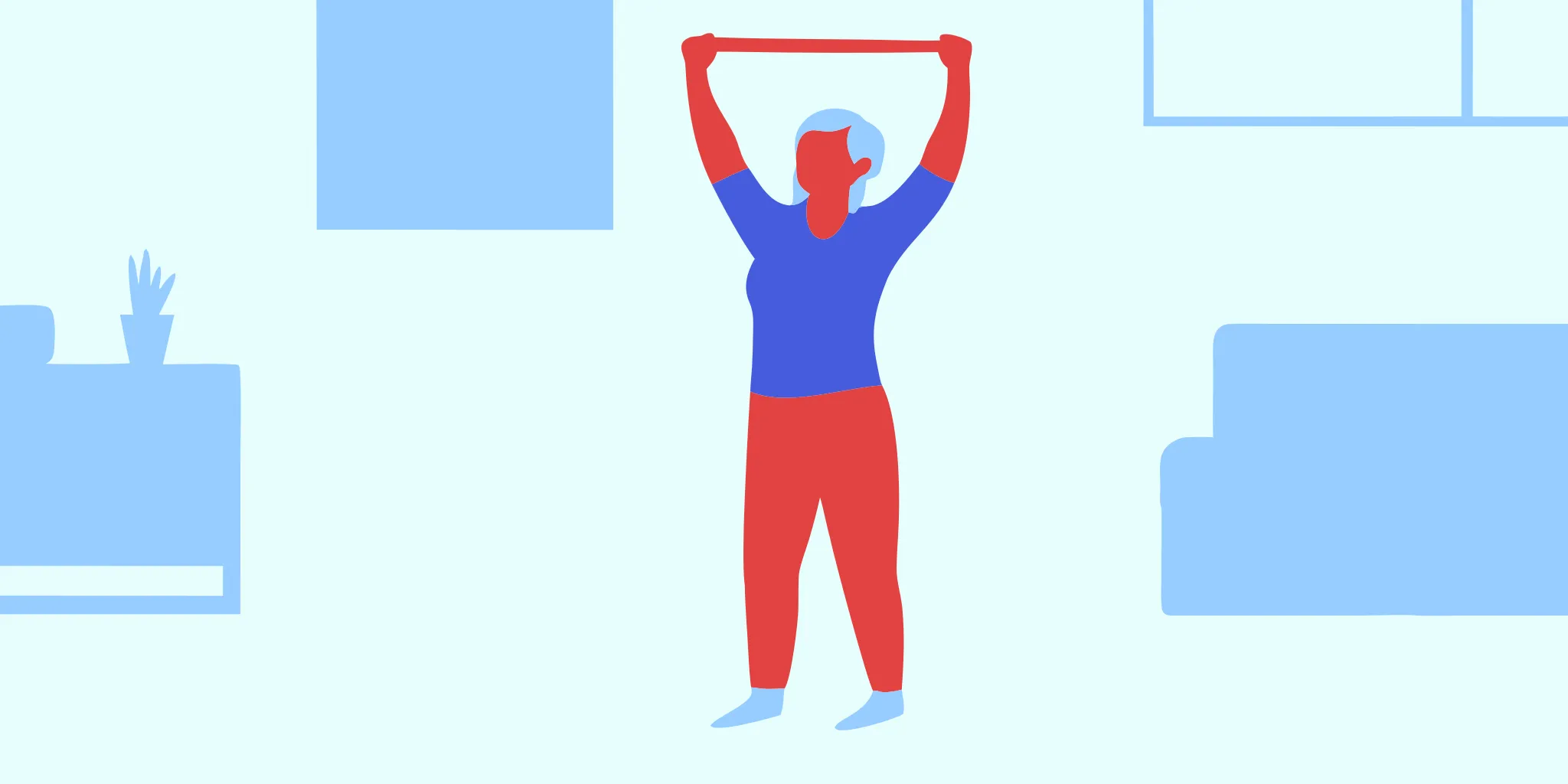
Vitamin D is one part of the muscle health picture. Research links vitamin D status with muscle strength and physical performance in older adults. It also identifies vitamin D as a component of strategies intended to address sarcopenia and functional decline. This does not mean vitamin D is a standalone fix. It means adequate levels give your muscles one of the basic nutrients they need to function. Read the research on vitamin D and sarcopenia.
Why muscle mass matters after 60
Maintaining muscle gives you more than strength for workouts. It helps you stand, walk, carry groceries, recover from illness, and correct your balance when you stumble. More usable muscle can also help preserve independence when daily life becomes physically demanding. The sarcopenia review connects muscle maintenance with frailty, which is why waiting until you feel weak is a poor strategy.
Better physical performance may also support fall prevention. Reviews of fall research report that improvements in muscle strength and physical stability can reduce fall risk. And vitamin D has been studied as a modifiable factor in that process. Falls are a major cause of injury and disability in older adults, so the goal is practical: stay strong enough to react, recover, and keep moving. Review the evidence on vitamin D, strength, and falls.
Vitamin D3 works best as part of a muscle plan
Do not treat vitamin D3 as a substitute for protein or resistance training. Muscles need enough protein, regular movement, and progressive resistance to stay capable. Chair stands, bands, weights, and supervised strength work can all have a place, depending on your health and fitness level. A clinician can help you choose a safe plan and decide whether testing is appropriate.
For people looking at a combined approach, supporting muscle mass after 60 starts with the basics. Vital Muscle Boost is doctor-formulated with myHMB, Vitamin D3, and Vitamin C, and it is made in the USA. It is one supplement option to discuss alongside adequate protein and resistance training, not a replacement for either one.
Vitamin D, Immunity, and Mood After 60
Your immune system does not stay exactly as sharp with age. That does not mean you are helpless. It means basic support matters more, including adequate vitamin D. Vitamin D helps regulate immune activity and supports the production of antimicrobial peptides, part of the body's first-line defense system. It is wellness support, not a guarantee against colds or respiratory illness.

A review of vitamin D and immune function explains why this nutrient matters for maintaining a healthy response, particularly when immune efficiency declines with age: research on vitamin D and immune health. For a broader look at practical habits, see our guide to immune health after 60.
Vitamin D helps give the immune system the materials it needs
Vitamin D supports the immune system in two directions. It helps the body organize parts of its immune response, and it supports antimicrobial peptides that help defend the respiratory tract. As with any supplement, more is not automatically better. The goal is adequate intake based on your diet, sun exposure, medications, health history, and, when appropriate, a blood test.
Do not treat vitamin D as a replacement for sleep, protein, movement, or a varied diet. Magnesium-rich foods can also fit into that broader nutrition plan. Think leafy greens, beans, nuts, seeds, and whole grains, unless your doctor has given you a reason to limit them.
Your brain uses vitamin D, too
Vitamin D receptors are found throughout the brain. Research has linked adequate vitamin D status with mood and cognitive health in older adults, while other findings connect low levels with mood problems. That does not prove a vitamin D supplement will treat depression, memory loss, or any other condition. It does show why ignoring a potential deficiency is a poor strategy, especially when low mood and fatigue persist.
A clinical review summarizes the connections among vitamin D, brain function, mood, and immune health in later life: vitamin D research in aging. If mood changes are persistent, severe, or new, speak with a healthcare professional rather than trying to solve the problem with supplements alone.
Frequently Asked Questions
Why is vitamin D important for seniors over 60?
Age can reduce the skin's ability to make vitamin D, while limited sun exposure and lower dietary intake add to the problem. Vitamin D helps the body absorb calcium and supports normal muscle and immune function. The National Institutes of Health Office of Dietary Supplements explains its role in bone and muscle health.
What are the symptoms of vitamin D deficiency in seniors?
Low vitamin D may show up as muscle weakness, reduced physical performance, fatigue, or general aches. These signs have many possible causes, so they do not prove a deficiency. A healthcare professional can order a blood test for 25-hydroxyvitamin D, the standard marker used to assess vitamin D status. See the research on vitamin D and physical performance.
How much vitamin D do seniors need each day?
The NIH lists 600 IU daily for adults through age 70 and 800 IU daily for adults over 70. Your needs may differ based on diet, sun exposure, medications, and health history. Do not treat a higher dose as automatically better. The adult upper limit is 4,000 IU per day unless a clinician directs otherwise. Review the current NIH guidance before supplementing.
Can vitamin D support stronger bones and fewer falls?
Vitamin D supports calcium absorption and normal bone metabolism. Adequate status may also support muscle function, which matters for balance and fall prevention. It is not a substitute for resistance exercise, adequate protein, or a fall-safe home. Research on vitamin D and falls is summarized in this clinical review.
Does vitamin D help with muscle strength and mood?
Vitamin D receptors are present in muscle and the brain, and low levels have been associated with weaker physical performance and mood concerns. That does not mean supplementation treats depression or rebuilds lost muscle by itself. Think of vitamin D as one part of a broader plan that includes exercise, protein, sleep, and medical guidance. See the review of vitamin D, mood, cognition, and aging.
Ready to Support Muscle Strength After 60?
Vitamin D is only one part of staying strong and independent as you age. If you want a straightforward way to support muscle health alongside vitamin D3, consider Vital Muscle Boost. It is doctor-formulated with myHMB, Vitamin D3, and Vitamin C, made in the USA, and available as a convenient once-a-day lemon-flavored powder. Get started by reviewing the formula, ingredients, and directions to decide whether it fits your routine.
