


If you want to know how to fix overactive bladder, start with a steady plan, not one instant fix. Get a proper diagnosis, then use bladder training, pelvic floor work, balanced hydration, and fewer personal bladder irritants. If those steps are not enough, a clinician can discuss medicines, procedures, or additional support suited to your health.
Explore BladderGenix bladder support
BladderGenix contains the clinically studied Urox ingredient to support healthy bladder control as part of a broader wellness plan. It is not a treatment or cure, and it should not replace medical evaluation. Ask a clinician before starting a supplement, especially if symptoms are sudden, painful, or accompanied by blood or fever.
How to fix overactive bladder starts with the right diagnosis
Overactive bladder should be diagnosed before you try to manage it. A clinician can check for infection, medication effects, bladder stones, diabetes, or other causes that can look similar. Bring a short bladder diary and report pain, blood, fever, or sudden changes promptly so your care plan addresses the right problem.
Fixing a bladder that feels out of control is not just about finding a quick trick. It starts with knowing exactly what is wrong. Many people think a sudden urge to go is just a normal part of getting older. But overactive bladder (OAB) is a clinical group of symptoms that needs its own focus. It affects up to 33 million adults in the U.S., including many women over age 60.
You may feel a sudden, strong need to pass urine that is hard to stop. This "urgency" is the core sign of OAB. It is often joined by needing to go very often during the day or waking up many times at night. This night-time need is called nocturia. If you have these signs, do not assume they are just "old age." They are signals that your body needs a clear plan.
Is it really overactive bladder?
Urgency is a symptom, not a full diagnosis on its own. To find out how to fix overactive bladder, a doctor must first rule out other health issues. Many things can mimic OAB. A simple urinary tract infection (UTI) can cause the same sudden urge and pain. In some cases, issues like bladder stones or even more serious pathology can be the cause.
A professional check-up is key. A doctor will look at your history and do a physical exam. They will likely ask for a urine test to check for infection or blood. Ruling out these other causes is the first step toward a real fix. Once these are cleared, you can focus on the best primary care management for your symptoms.
Tracking your patterns
Your doctor might ask you to keep a bladder diary for a few days. This is a simple tool where you track what you drink and when you go. It helps find patterns that you might miss. You should note each time you have a strong urge or any leakage. This data helps your care team see the root of the issue.
A diary also shows how much fluid you take in. Some people stop drinking water to try to stop the urges. But this can backfire. Highly concentrated urine can irritate your bladder and make the urge worse. A diary helps you and your doctor find the right balance of fluids for your needs.
Watching for red flags
While OAB is common, some signs need fast medical help. If you see blood in your urine, you should call a doctor right away. Other red flags include pain when you go or a sudden change in your bowel habits. These may point to a different issue that needs a new path of care.
Most cases of OAB are not dangerous, but they do hurt your quality of life. Getting a clear diagnosis means you can start the right steps to get your control back. You don't have to live with the fear of the next sudden urge. With the right facts, you can start to build a life that does not revolve around the nearest bathroom.
What should you try first?
First-line overactive bladder care usually combines a bladder diary, scheduled bathroom trips, gradual urge delay, pelvic floor guidance, balanced hydration, and fewer personal irritants. These low-risk steps require consistency, but they often improve control over several weeks. A clinician or pelvic floor therapist can help tailor the routine safely.
Fixing an overactive bladder starts with simple changes to your daily habits. Medical experts call these behavioral therapies. They are the first-line plan to regain control. You do not need surgery or harsh drugs to start seeing progress. Instead, you focus on how you drink, how you move, and how you train your body to hold urine longer.
Track your daily patterns
You cannot fix what you do not measure. A bladder diary is a vital tool to find your triggers. For two or three days, write down every cup of water you drink and every trip to the bathroom. Note when you feel a sudden urge and if any leakage happens. This data helps you see if certain drinks or times of day make your symptoms worse.
Train your bladder muscles
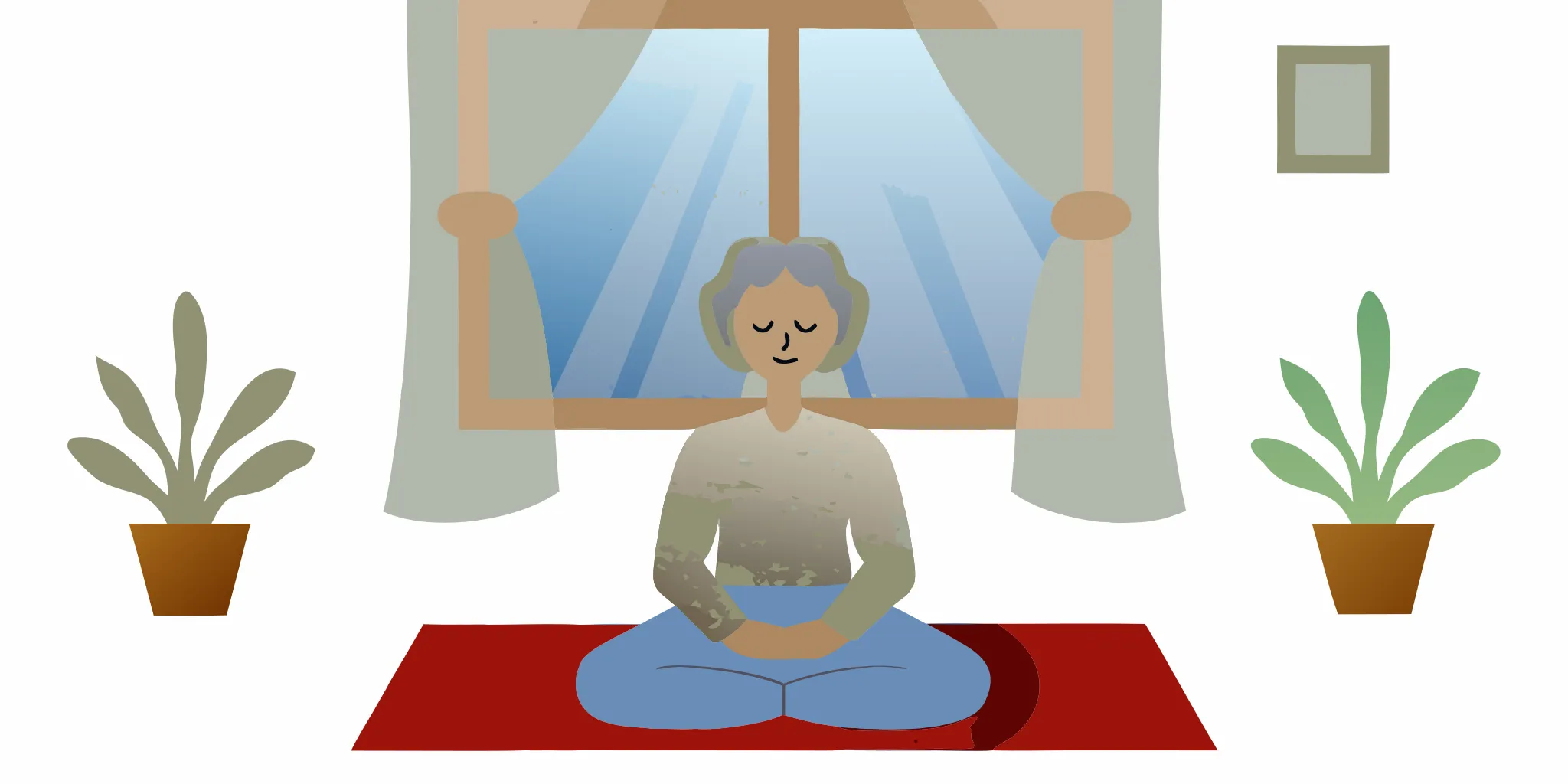
Bladder training helps your body hold more urine for longer periods. When you feel the urge to go, try to wait for five minutes before you head to the bathroom. Slowly increase this delay over several weeks. This process teaches your bladder to stay calm even when it is not full. Clinical studies show that bladder retraining is a core part of managing urgency and frequency.
Strengthen your pelvic floor
Your pelvic floor muscles support your bladder. They help keep the urethra closed. Weak muscles lead to leaks and a constant sense of urgency. You can strengthen these through Kegel exercises. These involve squeezing and relaxing the muscles you use to stop gas. Doing five sets of ten reps each day can improve your control. For the best results, you might work with a specialist to ensure you have the right form.
- Keep a bladder diary. Track what you drink and when you go for three full days to find patterns.
- Schedule your bathroom trips. Try to go at set times, like every two hours, rather than waiting for an urge.
- Practice delayed voiding. When the urge hits, wait a few minutes before you go to build bladder capacity.
- Perform daily Kegels. Squeeze your pelvic muscles for three seconds, then relax for three seconds, ten times per set.
- Watch your fluids. Drink plenty of water but limit coffee, soda, and alcohol, which irritate the bladder.
- Manage your bowels. Eat enough fiber to avoid constipation, as a full colon puts pressure on your bladder.
- Set a fluid cutoff. Stop drinking fluids two hours before bed to reduce the need to go at night.
Adjust your diet and fluids
What you put in your body changes how your bladder acts. Common irritants like caffeine and artificial sweeteners can trigger a sudden urge to go. You do not have to stop drinking water. Dehydration makes urine more acidic and irritating. Instead, focus on magnesium for bladder relief and other nutrients. Keeping your colon clear with fiber also helps. This is because bowel health is closely tied to bladder function.
The everyday habits that can quietly make urgency worse
Caffeine, alcohol, artificial sweeteners, constipation, smoking, and poorly timed fluids can quietly worsen urgency for some people. Drinking too little may also irritate the bladder by concentrating urine. Change one habit at a time, track symptoms for several days, and keep only the adjustments that produce a clear benefit.
Common drinks that bother the bladder
What you drink has a direct impact on how your bladder acts. Caffeine and alcohol are two of the biggest triggers for urgency. Caffeine makes your body produce more urine. It also acts as a stimulant that can bother the bladder muscle. Alcohol has a similar effect and can weaken the signals between your brain and your bladder. Studies show that cutting these drinks can help reduce the sudden need to go.
Why cutting water backfires
When you deal with frequent trips to the bathroom, it seems smart to drink less water. You might think that if you put less in, less will come out. However, cutting your water intake too far can really make urgency worse. When you do not drink enough, your urine becomes strong and thick. This dark urine is very acidic and can bother the thin lining of your bladder. This bother can make your bladder feel like it needs to empty even when it is mostly empty.
Instead of stopping all fluids, focus on steady drinking throughout the day. Most experts suggest aiming for about eight glasses of fluid daily to keep your system running well. Habit plans often include finding the right balance of fluids to keep your urine thin without filling the bladder too much.
Hidden food triggers to watch
Bowel health is also closely linked to bladder control. If you are blocked, the full bowel can press against your bladder. This leaves less room for urine to collect. This pressure often leads to a feeling of urgency and more trips to the bathroom. Research highlights that handling bowel health is an important part of total bladder health. If you are looking for more support, you can look for tools that help you manage your daily habits.
Which overactive bladder options help, and what are the tradeoffs?
Behavioral therapy is usually the safest starting point, while medicines, bladder injections, and nerve stimulation may help when symptoms remain disruptive. Each option has different benefits, side effects, costs, and follow-up needs. Supplements can support wellness but do not replace diagnosis or treatment. Review the full plan with a qualified clinician.
Start with lifestyle and behavioral shifts
The first line of defense is often behavioral therapy. This path includes bladder training and pelvic floor exercises. Bladder training helps you go longer between bathroom trips by teaching your bladder to hold more urine over time. Research shows that behavioral shifts are a strong first step for many people. You can also try practical natural remedies such as diet changes and weight management. These methods are safe and cost very little.
Your diet plays a big role in how your bladder acts. Some drinks like coffee, tea, and soda can irritate your bladder lining. Alcohol and artificial sweets may also cause the urge to go more often. Cutting back on these triggers can reduce the sudden need to use the bathroom. Staying at a healthy weight also helps because it takes pressure off your pelvic floor. These small shifts can lead to a big difference in how you feel over several weeks of steady effort.
Medical paths and advanced care
If lifestyle shifts are not enough, your doctor might suggest medicine. Some drugs help relax the bladder muscle to stop sudden contractions. This can stop the sudden urge to go and help you stay dry. But these drugs can have side effects like a dry mouth or blurry vision for some people. It is vital to talk with a pro to find the best fit for your health. A mix of care often works best to reach your goals.
For tougher cases, advanced care may be an option. Botox injections can help relax the bladder wall for several months. Another choice is nerve stimulation, which uses small pulses to help the nerves that control your bladder. These paths are usually for people who do not get enough help from meds or lifestyle shifts. They require a specialist and carry more risks than simple exercises. Always weigh the benefits against the risks of any medical procedure.
The role of supportive supplements
Supplements can support your bladder health as part of a total wellness plan. They do not cure or replace medical care from your doctor. But they can help your body function better as you age. For example, some people find that magnesium for bladder relief helps relax smooth muscles. This can reduce the feeling of a sudden urge to go. Always check with your doctor before starting any new supplement to ensure it is safe for you.
| Option | Main Benefit | Main Drawback | Typical Timeframe |
|---|---|---|---|
| Behavioral Therapy. | No side effects. | Requires daily effort. | 2 to 3 months. |
| Oral Medicines. | Easy to take. | Dry mouth or eyes. | 2 to 4 weeks. |
| Botox Injections. | Strong relief. | Risk of infection. | 1 to 2 weeks. |
| Nerve Stimulation. | Long term help. | Requires a procedure. | 4 to 6 weeks. |
| Supplements. | Supports wellness. | Not a medical cure. | 4 to 8 weeks. |
How long does it take to regain bladder control?
Many people notice early changes after two to four weeks of consistent bladder training and lifestyle work, but meaningful improvement often takes eight to twelve weeks. Progress varies with the cause and severity of symptoms. Track bathroom frequency, leaks, urgency, and nighttime trips so you and your clinician can judge results accurately.
Most people want to know how to fix overactive bladder fast. But bladder training takes time, and progress usually happens in stages rather than all at once.
Setting clear goals
Clinical guidance shows that habit-based steps may take several weeks or months to show major changes. You might notice small wins after two weeks, but commit to bladder training and pelvic floor work for at least eight to twelve weeks. Think of the plan as a long-term lifestyle shift rather than a short task.
Tracking your wins
Keep a bladder diary to track how often you go, fluid intake, leakage, and sudden urges. It can reveal patterns and give your doctor a clear view of daily symptoms. Small gains, such as waking once less at night or waiting thirty minutes longer between trips, show that your new habits are working.
When to call a doctor
While many people can find relief through lifestyle changes, some signs mean you need expert help. You should not ignore certain red flags that could point to a more serious health issue. A doctor's check is needed if your symptoms come on very fast or if they cause you severe pain. An expert can help rule out other problems that look like an overactive bladder. See a doctor if you notice any of these urgent signs:
- Blood in your urine.
- Pain while peeing that does not go away.
- A sudden loss of bladder control.
- Fevers or chills along with bladder pain.
- Symptoms that keep you from leaving your home.
A doctor can rule out infections or other hidden causes. They can also help you build a full plan that fits your specific needs. If your current steps do not help after three months, it is time to ask for more choices. This could include seeing a specialist for more help with your pelvic floor muscles.
What does not fix overactive bladder?
Overactive bladder is not fixed by severe fluid restriction, random Kegels, pads alone, or unproven cure claims. These approaches may hide symptoms or make them worse. Instead, confirm the diagnosis, use a measured first-line plan, and ask for clinical help when symptoms persist, worsen, or interfere with normal daily activities.
Cutting back on water
You might think that drinking less water will help you stay dry. This is a common mistake that backfires. When you drink too little, your urine becomes very thick. This thick urine can bother your bladder lining and cause more sudden urges. Experts at Mayo Clinic say that drinking water is a key part of staying healthy. Most people need eight glasses of fluid per day to keep the system moving.
Instead of stopping all fluids, try to limit drinks that bother you. Coffee and wine are big triggers for many people. These drinks force your body to make more urine quickly. Cutting these out is much better for your bladder than avoiding plain water. You can find a full list of triggers and practical natural remedies in our resource guide.
Doing Kegels the wrong way
Pelvic moves, often called Kegels, are a common tool. But they are not a magic fix for every person. If your muscles are too tight, more work might make the problem worse. It is hard to know which type of help you need on your own. You should not assume that a few quick moves each day will stop your leaks.
To get the best results, you may need to see an expert. These doctors can show you how to do the moves the right way. They can also tell you if you need to relax your muscles instead of making them strong. A clear plan works much better than doing random tasks you find online. This is one of the first steps that doctors suggest to help you gain control again.
Thinking that pads are a cure
Pads and liners are great for safety. But they do not fix the root cause. Using only pads is like putting a bucket under a leaky pipe. It does not fix the pipe itself. Overactive bladder is a clinical syndrome that affects your nerves and muscles. It causes a sudden and strong need to pee that is hard to stop. You can learn more about the symptoms of OAB in clinical papers.
Where does bladder support fit into a sensible plan?
Bladder support fits after the basics: diagnosis, bladder training, pelvic floor care, hydration, diet, bowel regularity, and medical follow-up. BladderGenix, made with the clinically studied Urox ingredient, may support healthy bladder control as part of that plan. It is not intended to treat or cure overactive bladder.
Managing a bladder that feels too active takes more than one quick fix. Most clinical experts suggest a path that starts with the least invasive changes. This often means looking at your habits, diet, and daily moves first. The goal of any practical natural remedies plan is to improve your daily life. This helps you feel more in control of your time and your day.
Building a strong base with habits
The first step for most people involves habit changes. This includes tools like bladder training. You slowly increase the time between trips to the bathroom. This helps your bladder hold more urine over several weeks. Doctors also suggest pelvic floor exercises to help the muscles that support your bladder. These simple moves can improve your ability to hold back sudden urges.
The role of targeted bladder support
Once you have your habits in place, you might look for extra help from specific nutrients. Research shows that some herbs and minerals can help keep healthy bladder function. For example, magnesium for bladder relief can act as a way to help calm muscle spasms. These spasms often lead to that sudden feeling of needing to go right away.
You may also consider BladderGenix, a doctor-formulated supplement featuring the clinically studied Urox ingredient. It is designed to support healthy bladder control, including daytime frequency and nighttime trips, without claiming to treat or cure overactive bladder. These tools fit into a plan that includes drinking enough water and avoiding things like caffeine or alcohol. These drinks can bother the bladder lining. A stepwise approach ensures you give your body the full range of help it needs.
Improving bowel health for bladder comfort
It might seem odd, but your gut health affects your bladder. Being backed up can put pressure on the bladder. This makes it feel full even when it is not. This extra pressure can make urgency feel worse. It also makes it harder to find relief. Keeping your system regular is a key part of a BladderGenix bladder support plan.
Frequently Asked Questions
Overactive bladder raises practical questions about causes, timing, safety, and what to do during a sudden urge. The short answers below clarify what is realistic and when medical care matters. Because symptoms and underlying causes vary, use this guidance as a starting point and discuss persistent or concerning changes with a qualified clinician.
Does an overactive bladder ever go away?
For most adults, this issue is a long-term problem that needs steady care. Most health experts agree that a total cure is rare. Instead, the main goal is to control symptoms and help you feel better each day. According to the National Institutes of Health, finding the right plan can help you get back to your normal routine. A mix of daily habits and support can make these urges much easier to handle over time.
How to stop overactive bladder immediately?
There is no fast fix that stops these urges right away. Most steps, such as bladder training, take a few weeks to show real results. However, you can find some relief by cutting out foods and drinks that bother the bladder. Limiting caffeine, alcohol, and fake sugars often helps slow down the sudden urge to go. The Mayo Clinic notes that these simple diet changes are a key first step in calming your bladder and gaining control.
What is the root cause of overactive bladder?
This issue happens when the bladder muscles squeeze at the wrong time. This creates a sudden and strong need to pee. While getting older is a big factor, the exact cause can be different for each person. Often, it involves a mix of nerve health and muscle strength. The Cleveland Clinic states that changes in the bladder wall and pelvic floor as we age play a large role in how these symptoms start.
Is overactive bladder dangerous?
On its own, this issue is not usually a danger to your life. However, the signs can be much like other more serious health problems. It is vital to rule out a bladder infection or other health issues first. A visit to your doctor is the best way to make sure you have the right facts. The National Institutes of Health explains that these sudden urges are part of a complex health group that needs a careful check to manage safely.
Ready to take control of your bladder health and stay active?
Persistent urgency can disrupt sleep and social life, but you do not have to wait for symptoms to worsen. Start with small daily changes and review helpful natural ways to support your plan.
Ready to review bladder support options? Contact Revival Point to review bladder support options.
