


Possible signs of sleep apnea include loud or frequent snoring, breathing pauses, gasping or choking during sleep. Morning headaches, dry mouth, daytime sleepiness, trouble concentrating, memory changes, or mood changes. These symptoms do not confirm a diagnosis, and snoring or fatigue can have other causes. Still, a pattern of symptoms, especially witnessed pauses or gasping, is worth discussing with a clinician. Mayo Clinic explains that sleep apnea repeatedly interrupts breathing during sleep.
Get practical healthy-aging education from Revival Point
What Are the Signs of Sleep Apnea?
Sleep apnea is a sleep disorder in which breathing repeatedly stops and starts. The most common form, obstructive sleep apnea, happens when relaxed throat muscles block airflow. Other forms involve the brain's breathing signals. The signs of sleep apnea can show up at night, during the day, or both, but symptoms alone cannot confirm a diagnosis. A clinician and appropriate testing are needed.
Nighttime signs
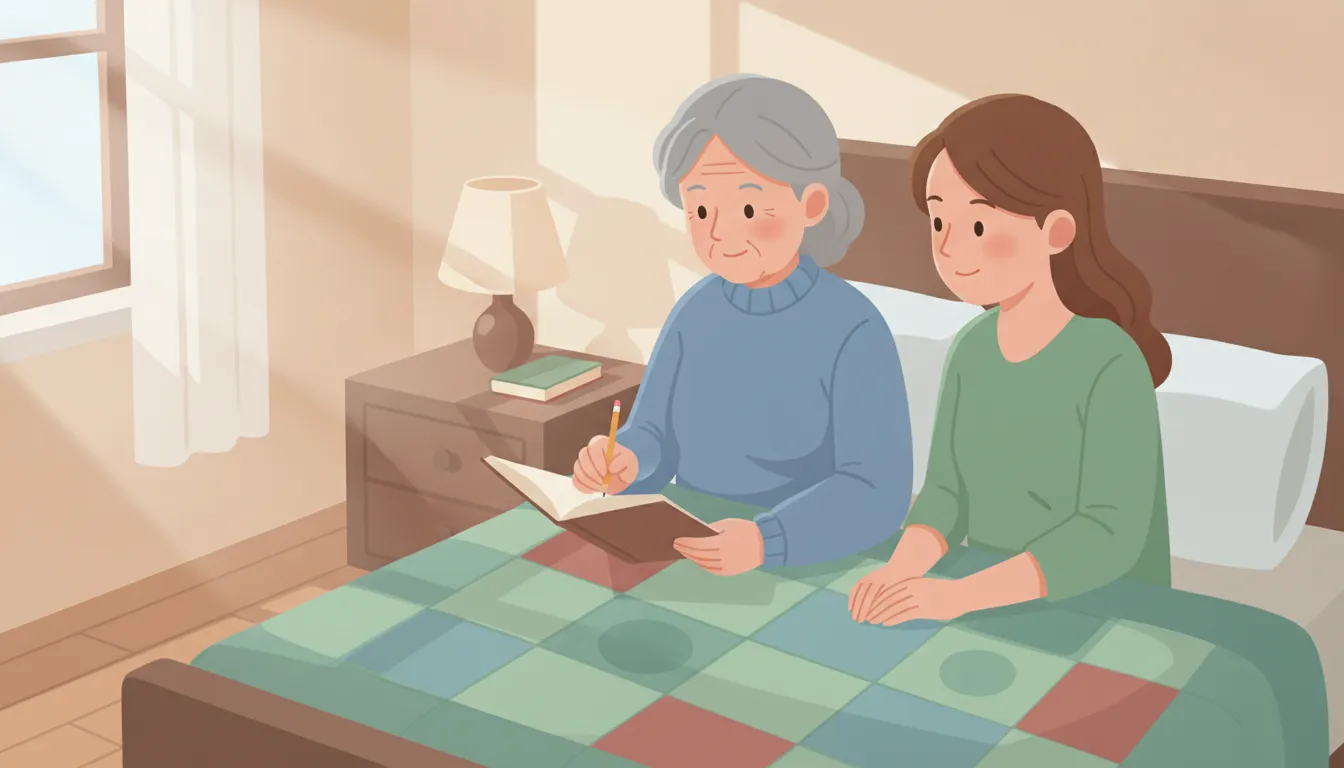
Some symptoms are easier for another person to notice than for the sleeper. Ask a partner, family member, or caregiver what they have observed. Possible nighttime signs include:
- Loud or frequent snoring
- Pauses in breathing during sleep
- Gasping, choking, or snorting after a pause
- Restless sleep or repeated movement
- Waking with a dry mouth or sore throat
A sleep partner may notice abnormal breathing patterns before the affected person realizes anything is wrong. The American Thoracic Society recommends asking people who are nearby during sleep whether they have heard loud snoring or seen apnea spells. Share those observations with a healthcare provider rather than trying to interpret them yourself.
Daytime clues
Breathing interruptions can disturb sleep even when you do not fully wake up. During the day, possible clues include excessive sleepiness, waking with a headache, poor concentration, memory problems, irritability, or other mood changes. You may feel unrefreshed after what seemed like a full night in bed. Difficulty staying alert during routine activities also deserves attention, especially if it affects driving or other safety-sensitive tasks. The American Lung Association lists these daytime symptoms among reasons to discuss sleep apnea with a clinician.
Snoring by itself does not prove that someone has sleep apnea. Fatigue, dry mouth, headaches, and restless sleep can have other causes, including medication effects or separate sleep problems. However, loud snoring combined with gasping, witnessed pauses, or persistent daytime sleepiness is a reasonable reason to ask whether an evaluation or sleep study is appropriate.
Medical disclaimer: This information is for education only. It does not diagnose sleep apnea or replace medical advice. Do not stop or change prescribed medicines based on symptoms. Discuss ongoing or combined symptoms with a qualified healthcare professional.
Sources: Mayo Clinic, American Lung Association, and American Thoracic Society.
Which Symptoms Might a Partner or Caregiver Notice?
Some of the clearest signs of sleep apnea happen while the person is asleep. A partner, family member, or caregiver may notice them before the sleeper does. The person may not remember waking up or may assume the poor sleep came from age, stress, pain, or another health issue.
Pay attention to repeated patterns, not one unusual night. A bed partner might notice:
- Breathing that stops for a few seconds, followed by a restart
- Loud or frequent snoring
- Gasping, choking, or snorting after a quiet pause
- Restless sleep, frequent movement, or repeated changes in position
- Morning complaints of dry mouth, sore throat, headache, or feeling unrefreshed
The American Thoracic Society recommends asking people who are nearby during sleep whether they have heard loud snoring or seen apnea spells. A sleep partner may notice abnormal breathing patterns before the affected person recognizes them. These observations are useful to share with a healthcare provider, but they do not confirm a diagnosis. Sources: American Thoracic Society and Cleveland Clinic.
How should a caregiver record what happens?
Keep a simple note for several nights. Record the date, approximate bedtime, whether snoring was present, whether breathing pauses or gasping occurred, and whether the pattern repeated. Also note daytime clues the person reports, such as unusual sleepiness, irritability, trouble concentrating, or morning headache. If nighttime bathroom trips are part of the pattern, record those separately. Frequent urination at night can interrupt sleep for reasons unrelated to sleep apnea, so it should not be treated as proof of a breathing disorder.
Snoring alone is not enough. Loud snoring can have several causes, and not everyone with sleep apnea snores. On the other hand, frequent loud snoring combined with gasping, witnessed pauses, or marked daytime fatigue deserves a conversation with a clinician. The clinician can decide whether an overnight lab study or home sleep test is appropriate. Do not stop or change medicines based on observations alone, especially if the person takes sedatives, pain medicines, or several prescriptions.
This information is educational and does not diagnose or treat sleep apnea. A qualified healthcare professional should evaluate persistent or concerning symptoms.
Why Can Untreated Sleep Apnea Affect Older Adults?
Sleep apnea repeatedly interrupts breathing during sleep. Those interruptions can break up rest and lower oxygen levels, even when the person does not fully wake or remember it. Over time, that can affect how an older adult feels and functions during the day. It does not mean that every tired person has sleep apnea. Snoring, poor sleep, medication effects, pain, and other health conditions can also cause similar problems. The point is simple: persistent or combined signs of sleep apnea deserve a proper medical evaluation.
Daytime alertness is often the first practical concern. Someone may sleep for what seems like a full night but still feel unusually sleepy, sluggish, or unable to stay alert during a movie, conversation, or routine task. The American Medical Association notes that untreated sleep apnea may affect focus, concentration, alertness, and everyday activities. That can make ordinary responsibilities feel harder than they should. It can also reduce confidence and independence.
Memory and mood may change as well. Poor-quality sleep can make it harder to concentrate, remember details, or think clearly. Some people describe this as brain fog. Irritability, low mood, or difficulty managing normal social interactions can also occur. These symptoms have many possible causes, so they should not be treated as proof of sleep apnea. Still, they are worth mentioning to a clinician, especially when they occur alongside loud snoring, gasping, or witnessed breathing pauses. For more context, see our guide to sleep and cognitive health.
Safety is another reason not to ignore ongoing daytime sleepiness. Drowsiness can affect reaction time and judgment. If you find yourself struggling to stay awake while driving, stop driving and discuss the problem with a healthcare professional. Do not assume that extra coffee solves the underlying issue. A sleep partner or caregiver may also notice abnormal breathing patterns that the sleeper misses, so their observations can be useful at an appointment.
Older adults may face added complexity because they often manage several medicines or existing health conditions. Some medications and health problems can affect breathing or sleep, and changing a prescription without medical guidance is unsafe. Bring a complete medication list, describe the nighttime and daytime symptoms, and ask whether a sleep evaluation is appropriate. Only a qualified clinician and appropriate testing can determine whether the signs represent sleep apnea.
Medical note: This section is for education only. It does not diagnose sleep apnea or replace care from a qualified healthcare professional.
What Else Can Look Like Sleep Apnea?
Snoring, tiredness, dry mouth, and waking during the night are not proof of sleep apnea. They can come from several ordinary or medical causes. The concern rises when symptoms occur together, especially when someone notices pauses in breathing, gasping, or choking. Sleep apnea is a disorder in which breathing repeatedly stops and starts during sleep, but only a clinician and appropriate testing can determine whether that is happening.
| What you notice | Other possible explanation | What makes a clinician conversation useful |
|---|---|---|
| Loud or frequent snoring | Ordinary snoring, nasal congestion, allergies, or sleeping position | Snoring alone does not prove sleep apnea. Gasping, choking, witnessed pauses, or restless sleep make it more important to ask about evaluation. Mayo Clinic explains the difference between common symptoms and the disorder. |
| Daytime fatigue or sleepiness | Short sleep, stress, illness, low mood, pain, or medication effects | Feeling sleepy despite enough time in bed, particularly with loud snoring or observed breathing changes, deserves a careful review. Do not stop or change a medicine without medical advice. |
| Dry mouth or sore throat in the morning | Sleeping with the mouth open, nasal congestion, dehydration, or a medicine side effect | Dry mouth becomes more relevant when it appears with nighttime gasping, pauses, or poor-quality sleep. It is a clue to discuss, not a diagnosis. |
| Waking to urinate | Bladder symptoms, evening fluids, diabetes, or other health conditions | Read about frequent urination at night and bladder symptoms after 60, then tell your clinician how often you wake and whether breathing symptoms also occur. |
| Restless or broken sleep | Nasal blockage, reflux, pain, anxiety, temperature, or an inconsistent sleep schedule | Repeated disruption combined with witnessed breathing pauses, choking, or significant daytime sleepiness should not be dismissed as poor sleep habits alone. |
The overlap is exactly why clinicians evaluate the whole pattern instead of relying on one symptom. Write down what you notice, ask a sleep partner or caregiver what they observe, and bring a complete medication list to the appointment. A sleep study, completed at home or in a laboratory depending on clinical judgment, can help clarify the cause.
How Is Sleep Apnea Tested?
Symptoms can point to a problem, but they cannot confirm sleep apnea. A clinician uses your history and appropriate testing to determine what is happening during sleep. Prepare for that conversation with specific observations instead of trying to diagnose yourself.
- Record what you and others notice. For several nights, note loud or frequent snoring, gasping, choking, restless sleep, morning headaches, dry mouth, or unusual daytime sleepiness. Ask a sleep partner or caregiver whether they have seen pauses in breathing. They may notice abnormal breathing patterns that you do not feel while asleep. Also write down when symptoms began and whether they affect concentration, mood, or safe driving. Snoring alone does not prove sleep apnea, but snoring paired with gasping or witnessed pauses deserves a clinician discussion. See the Cleveland Clinic overview of sleep apnea for context.
- Bring a complete, honest health picture. Take your symptom notes, a list of medical conditions, and the names and doses of your medicines and supplements to the appointment. Mention heart conditions, a prior stroke, nasal congestion, alcohol use, or anything else that may affect sleep or breathing. Do not stop, skip, or change a prescription on your own. Ask the clinician whether any medication or health condition should be considered when choosing a test.
- Ask whether a home sleep test fits your situation. A home sleep test uses a monitoring device while you sleep at home. It is an at-home version of a sleep study, but it does not include brain-wave monitoring. A clinician may consider it when the symptoms and medical history suggest a straightforward evaluation. Follow the setup and return instructions exactly. A home test is not a do-it-yourself diagnosis.
- Understand when a sleep-lab study may be used. An overnight laboratory study provides more detailed monitoring than a home test. Your clinician chooses the route based on your symptoms, health history, and the information needed to evaluate your breathing. A sleep study can diagnose sleep apnea in a laboratory or at home with a monitoring device, according to Tufts Medicine. Ask how and when results will be reviewed, and what the next step will be.
Medical disclaimer: This section is for general education, not diagnosis or treatment. Only a qualified healthcare professional can determine whether your symptoms represent sleep apnea and what evaluation is appropriate. Seek medical guidance for persistent or concerning symptoms, and never change medication without professional advice.
When Should You Ask a Clinician About Testing?
Ask a clinician about sleep apnea testing when symptoms come in a pattern, persist, or begin affecting your daytime life. Loud or frequent snoring by itself does not prove sleep apnea. The concern is stronger when snoring occurs with gasping, choking, witnessed breathing pauses, restless sleep, or waking unrefreshed. A sleep partner or caregiver may notice these changes before you do. Mayo Clinic lists breathing pauses, loud snoring, and daytime sleepiness among symptoms worth discussing with a provider.
Patterns that deserve a conversation
- Someone regularly sees you stop breathing, gasp, or choke during sleep.
- You remain unusually sleepy after what should be a full night's rest, or you have trouble staying alert during routine activities.
- You have persistent morning headaches, dry mouth, poor concentration, memory problems, or mood changes along with disrupted sleep.
- Sleepiness or poor alertness creates a safety concern, such as difficulty staying awake while driving or doing another task that requires attention. Pause that activity and ask for help rather than trying to push through it.
At the appointment, be direct: "I have noticed these symptoms, and someone has observed pauses in my breathing. Should I be evaluated for sleep apnea, and would a sleep study help?" Bring a short record of when symptoms occur. What your sleep partner or caregiver has seen, and any medicines or substances that may affect sleep. Do not stop a prescription on your own. Your clinician can decide whether a home sleep test or an overnight laboratory study is appropriate.
Medical disclaimer: These signs can have more than one cause, and they do not diagnose sleep apnea. This article is for general education, not personal medical advice. A qualified clinician should evaluate persistent symptoms and recommend testing or treatment.
Keep learning about healthy sleep and aging
Frequently Asked Questions
Is snoring always a sign of sleep apnea?
No. Snoring is common and does not prove sleep apnea. Loud or frequent snoring becomes more concerning when it occurs with gasping, choking, witnessed breathing pauses, or persistent daytime fatigue. Not everyone with sleep apnea snores. Mayo Clinic explains that loud snoring can signal a problem, but it is not present in every case.
How can I tell whether my nighttime symptoms need attention?
Ask a sleep partner or caregiver what they notice, including pauses in breathing, gasping, loud snoring, or restless sleep. You may notice morning headaches, dry mouth, poor concentration, irritability, or sleepiness during the day. Keep notes and share the pattern with a clinician. These signs suggest an evaluation may be useful, but they cannot confirm a diagnosis.
How is sleep apnea diagnosed?
A clinician may recommend an overnight sleep study in a laboratory or a home sleep test with a monitoring device. The right option depends on your symptoms, health history, and clinical judgment. A home test is an at-home version of a sleep study, but it does not monitor brain waves. Cleveland Clinic describes these testing options.
When should I ask a clinician about testing?
Ask about testing when symptoms persist, occur together, or affect alertness, concentration, driving, or other daytime safety. Bring a medication list and notes from anyone who observes your sleep. Snoring and fatigue can have other causes, so do not self-diagnose or stop a medicine without medical guidance. Only appropriate clinical evaluation and testing can determine whether sleep apnea is present.
Ready to discuss persistent sleep symptoms?
If snoring, gasping, breathing pauses, or daytime sleepiness keep showing up, a clinician can help you decide whether testing makes sense. Write down what you or a sleep partner notices, including when symptoms occur. For general healthy-aging education or to contact us, visit Revival Point's contact page. This information is educational and does not diagnose or treat sleep apnea.
