


What causes heart palpitations? A fast, pounding, fluttering, or skipped heartbeat can come from something as ordinary as stress, poor sleep, caffeine, or a new medicine. It can also be related to an abnormal heart rhythm or another medical problem. The sensation alone cannot tell you which one is responsible.
Have a health question? Contact the Revival Point support team.
This guide explains common triggers, medical causes, and the warning signs that should not wait. It is educational information, not a diagnosis. If you have palpitations with chest pain, severe shortness of breath, fainting, or severe dizziness, call 911 now.
What do heart palpitations feel like?
Palpitations are the feeling that your heartbeat is unusually noticeable. You may feel the sensation in your chest, throat, or neck. It may feel like your heart is:
- Racing or beating very fast
- Pounding or thumping
- Fluttering
- Flip-flopping
- Skipping a beat, followed by a stronger beat
Palpitations can happen while you are active or sitting still. They may last a few seconds, several minutes, or longer. A brief episode in an otherwise well person is often not dangerous, but repeated, worsening, or prolonged episodes deserve medical attention.
What causes heart palpitations most often?
Many episodes are linked to temporary changes in the body or nervous system. Common causes include:
Stress, anxiety, or strong emotion
Stress hormones prepare the body to respond quickly. Your heart may beat harder or faster, and you may notice it more than usual. Anxiety and panic can also cause a racing heart, chest tightness, trembling, or rapid breathing. That does not mean every episode is anxiety. New or unusual palpitations should not be dismissed without considering other causes.
Caffeine, nicotine, alcohol, and other stimulants
Coffee, energy drinks, nicotine, some recreational drugs, and certain medicines can increase heart rate or make a heartbeat feel stronger. Alcohol can also trigger palpitations in some people. Cold medicines that contain pseudoephedrine and some asthma medicines may have stimulant effects. Check the label and medication information rather than guessing.
Exercise or physical exertion
A faster heartbeat during exercise is normal. You may notice a temporary pounding sensation after climbing stairs, walking quickly, or doing strenuous work. Tell a clinician if the sensation is new, disproportionate to the activity, keeps happening, or comes with chest pressure, unusual breathlessness, dizziness, or fainting.
Lack of sleep, fever, dehydration, or illness
Sleep loss, fever, dehydration, pain, and other illnesses can place extra demands on the body. A temporary increase in heart rate may follow. Older adults can become dehydrated more easily, especially during hot weather or illness. If palpitations continue after you recover, or if you cannot keep fluids down, contact a clinician promptly.
Hormone changes
Hormonal shifts can affect how the heartbeat feels. Some people notice palpitations around menopause. Thyroid hormone changes can also speed up or disrupt the heartbeat. Menopause should not automatically be assumed to be the cause, particularly when episodes are new, frequent, or accompanied by other symptoms.
Read more about heart health for women over 60, including symptoms that may not look like the heart attack warning signs shown in movies.
Can a medicine or supplement cause palpitations?
Yes. Prescription medicines, over-the-counter products, decongestants, inhalers, thyroid medicines, and some supplements can affect heart rate or rhythm. Interactions may also matter. Do not stop a prescribed medicine on your own, and do not assume a product is harmless because it is sold without a prescription.
What medication details matter most?
Timing is often useful. Note whether the sensation began after a new prescription, a dose increase, a missed dose, or a change in an over-the-counter product. Cold remedies deserve special attention because some contain decongestants that can make the heart beat faster. Caffeine tablets, energy products, nicotine, and certain inhalers may also be relevant. The goal is not to blame a product before it has been reviewed. The goal is to give your clinician an accurate timeline.
Bring every medication container or an up-to-date list. Include prescriptions, over-the-counter medicines, vitamins, powders, herbal products, and anything used only occasionally. Record the dose, when you take it, and when the palpitations started. Ask a pharmacist or clinician to review possible interactions. Do not skip, double, or stop a prescribed medicine without instructions from the professional who manages it.
Need help preparing your health questions? Contact Revival Point for general support.
Make a complete list of prescriptions, over-the-counter medicines, vitamins, powders, and herbal products. Include the dose and when you take each one. Bring the list to your appointment. If palpitations began soon after starting, stopping, or changing a product, tell your clinician exactly when the change happened.
When can palpitations signal a heart problem?
Sometimes palpitations are connected to an arrhythmia, which means the heart rhythm is too fast, too slow, or irregular. They may also be related to a heart valve problem, a structural heart condition, or a history of heart attack or heart surgery. Other medical causes can include an overactive thyroid or iron-deficiency anemia.
| Pattern | What it may mean | What to do |
|---|---|---|
| Brief and occasional | May follow stress, caffeine, poor sleep, or activity | Note the pattern and discuss it if it returns |
| Repeated or worsening | May need evaluation for rhythm, medicine, thyroid, or other causes | Arrange a clinician visit |
| With chest pain, fainting, severe breathlessness, or severe dizziness | Could signal an urgent heart or circulation problem | Call 911 and do not drive yourself |
A table cannot diagnose the cause. It is a quick way to separate a symptom pattern that can be documented from one that needs immediate action.
Older adults may have several possible contributors at once. For example, a new cold medicine may be used during an illness that also causes poor sleep and dehydration. That combination can make the heartbeat feel more noticeable. Share the full situation rather than focusing on one suspected trigger. A clinician can decide which details need testing and which changes are safe.
These possibilities do not mean that palpitations are automatically dangerous. They do mean that recurring symptoms should be evaluated instead of self-diagnosed. A clinician may ask about the timing and pattern, check your pulse and blood pressure, review medicines, and order an electrocardiogram or other heart-monitoring test.
Which heart-palpitations symptoms are an emergency?
Call 911 if palpitations are happening now and do not go away. Call 911 as well if they occur with any of these symptoms:
- Chest pain, pressure, or discomfort
- Severe shortness of breath
- Fainting or loss of consciousness
- Feeling as if you may faint
- Severe dizziness or sudden weakness
- Unusual sweating with other concerning symptoms
Do not drive yourself if you may be having a heart emergency. Call 911 and follow the dispatcher's instructions. If the symptoms stopped before you could get help, contact a clinician urgently and explain what happened. A stopped episode still matters, especially if it was the first one or was associated with faintness, pain, or breathlessness.
When should you make a non-emergency appointment?
Make an appointment if palpitations keep returning, become more frequent, last longer than a few minutes, or feel different from your usual pattern. Also contact a clinician if you have known heart disease, a family history of heart problems, thyroid disease, anemia, or a recent medicine change.
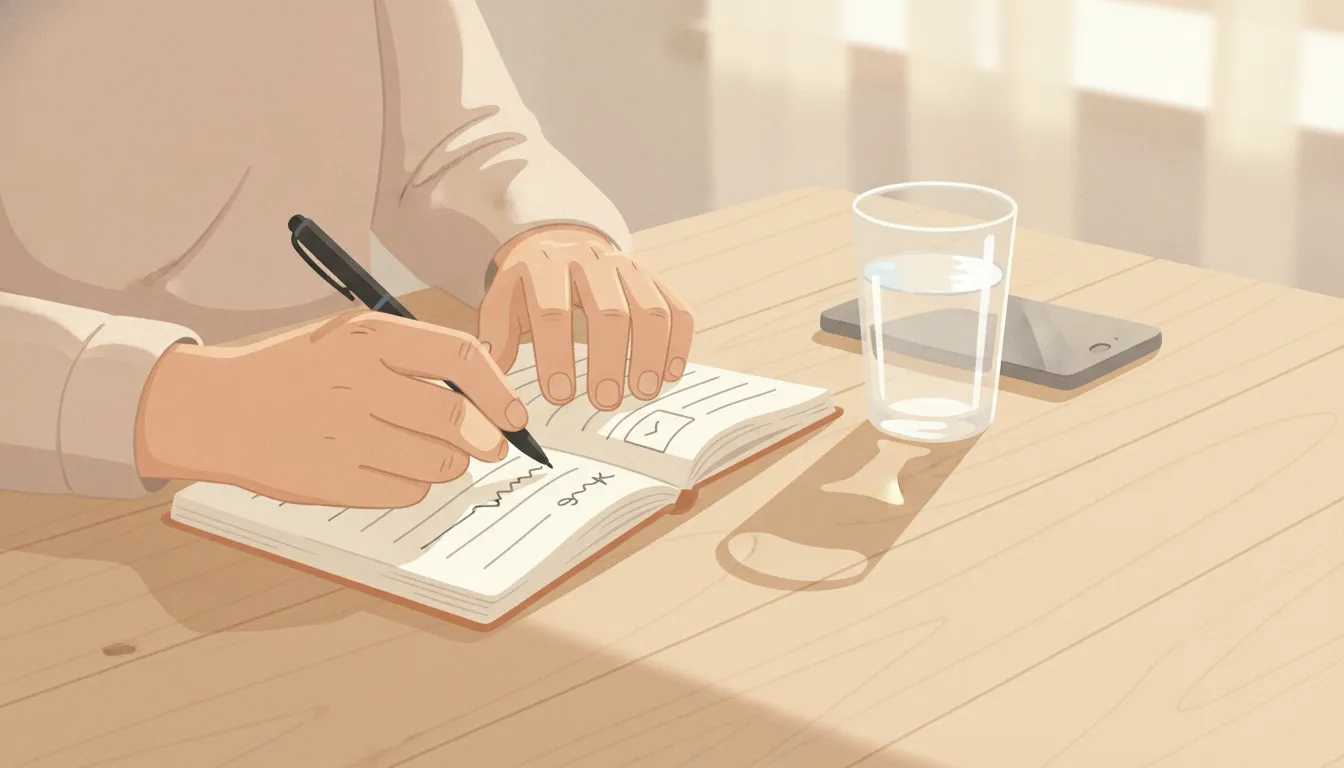
Keep a record for several days if you can do so safely. Write down the following details:
- The date and time the episode began and ended
- What you were doing before it started
- Whether the beat felt fast, irregular, fluttery, or forceful
- Other symptoms, such as dizziness, chest discomfort, or breathlessness
- Recent caffeine, alcohol, nicotine, illness, fever, poor sleep, or stress
- Any new medicine, dose change, or supplement
Do not delay emergency care to complete a symptom log. The log is for an appointment after urgent symptoms have been addressed.
Want help organizing your health questions? Contact Revival Point.
What questions should you ask your clinician?
Clear questions can make a short appointment more useful. Consider asking:
- Could my medicines, over-the-counter products, or supplements contribute to this?
- Do I need an ECG or a longer heart monitor?
- Could thyroid disease, anemia, dehydration, or another illness be involved?
- Which symptoms mean I should call 911?
- Is there anything I should avoid until we know the cause?
- How should I record my pulse or symptoms without becoming overly focused on them?
Bring your medication list, symptom notes, relevant medical records, and a list of questions. If someone witnessed an episode, ask what they noticed. A clinician may also want to know whether the sensation began suddenly or gradually and whether it stopped on its own.
What can you do while waiting for medical advice?
Follow the emergency guidance above first. If you feel well and the episode has ended, avoid obvious personal triggers until you speak with a clinician. That may include excess caffeine, nicotine, alcohol, energy drinks, or nonessential stimulant products. Take prescribed medicines exactly as directed unless your clinician tells you otherwise.
Use this simple sequence to prepare for a non-emergency visit:
- Write down when the episode started, how long it lasted, and what the heartbeat felt like.
- List recent illness, poor sleep, stress, caffeine, alcohol, nicotine, and activity.
- Gather prescription, over-the-counter, vitamin, herbal, and supplement details.
- Bring the notes to your clinician and ask which symptoms require urgent care.
Do not use a supplement as a substitute for an evaluation. Do not try to force your heartbeat back to normal based on advice from social media or an online forum. The right response depends on the cause, and the cause cannot be confirmed from the sensation alone.
Do not use a supplement as a substitute for an evaluation. Do not try to force your heartbeat back to normal based on advice from social media or an online forum. The right response depends on the cause, and the cause cannot be confirmed from the sensation alone.
For broader prevention, focus on basic cardiovascular habits. Follow your care plan. Keep scheduled appointments. Sleep regularly. Stay hydrated when appropriate for your medical condition. Ask your clinician how much activity is safe for you. If you are working on blood pressure, you may also find this guide useful: how to lower blood pressure safely after 60.
Frequently asked questions
Are heart palpitations always dangerous?
No. Palpitations are often harmless, especially when brief and infrequent. However, they can sometimes signal an abnormal rhythm or another medical problem. The combination of palpitations with chest pain, severe shortness of breath, fainting, or severe dizziness is an emergency.
Can dehydration cause heart palpitations?
Dehydration can make the heart work harder and may contribute to a faster or more noticeable heartbeat. If you are vomiting, have diarrhea, cannot keep fluids down, or feel faint, seek medical advice promptly. People with heart or kidney conditions should ask their clinician how much fluid is appropriate.
Can menopause cause heart palpitations?
Hormone changes during menopause can be associated with palpitations for some people. Still, menopause does not rule out other causes. New, frequent, prolonged, or symptom-heavy episodes should be discussed with a clinician.
What is the difference between palpitations and an arrhythmia?
Palpitations are a sensation. An arrhythmia is an abnormal heart rhythm. You can feel palpitations without having a dangerous arrhythmia, and some arrhythmias may cause few or no noticeable symptoms. Testing is needed to identify the rhythm.
Should I check my pulse during a palpitation?
If you can do so safely, noting whether the pulse feels fast or irregular may help your clinician. Do not delay emergency care, drive, or become so focused on counting that you ignore warning signs. Write down the timing and symptoms after you are safe.
Bottom line: Heart palpitations have many possible causes, from stress and stimulants to medication effects and heart-rhythm problems. Do not guess based on the sensation alone. Know the emergency signs, record useful details, and ask a clinician to help determine what is happening.
Sources: Mayo Clinic: Heart palpitations, symptoms and causes; NHS: Heart palpitations; MedlinePlus: Heart palpitations.
