


Memory changes are common with age, but that does not make every supplement claim credible. Turmeric is a familiar kitchen spice; curcumin is one of its studied bioactive compounds. The research is worth understanding, provided expectations stay realistic.
A turmeric supplement for brain health may support working memory or a healthy inflammatory response. But human evidence is still mixed and it is not a treatment for Alzheimer's disease or dementia. Curcumin has antioxidant and anti-inflammatory properties under study. While a 12-month trial in older adults found less decline on one cognitive measure than with placebo, not a universal improvement in cognition. Talk with a clinician before using it, especially if you take medication or have a health condition.
The useful question is not whether turmeric is a miracle ingredient. It is how curcumin could relate to brain health, what the studies actually show, and where the limits begin.
Review Total Brain Boost with CurcuRouge turmeric
What Does Turmeric Have to Do With Brain Health?
Turmeric is the bright yellow spice used in cooking. Curcumin is one of its bioactive compounds, and it is the part most often studied in brain-health research. That distinction matters. A spoonful of culinary turmeric and a standardized curcumin supplement are not automatically equivalent, because the amount and absorption of curcumin can vary widely.
Researchers are interested in curcumin because it has antioxidant properties and may support a healthy inflammatory response. In plain English, antioxidants help limit damage associated with oxidative stress, while a healthy inflammatory response helps the body respond without staying unnecessarily activated. Both processes are relevant to healthy aging, including the conditions that support normal brain function. Curcumin is being studied for these mechanisms, not proven as a treatment for memory disease.
Some research also examines brain-derived neurotrophic factor, or BDNF. BDNF is a protein involved in brain-cell growth and connections. Early findings are interesting, but a promising biological mechanism is not the same as a guaranteed result in daily life. Research on curcumin and broader cognitive performance in humans remains mixed.
That is why the practical question is not whether turmeric is a cure-all. It is whether a well-made product can reasonably support a broader healthy-aging routine. Sleep, movement, nutritious food, social activity, and appropriate medical care still do the heavy lifting. A supplement may be one piece of that plan, but it should not replace an evaluation for new or worsening memory problems.
Inflammation is also not just a brain topic. It can connect with several aspects of aging and overall health. For a wider look at the subject, see our guide to chronic inflammation and cognitive decline. If you take medication or have a health condition, ask a clinician before adding concentrated curcumin.
Does a Turmeric Supplement for Brain Health Improve Memory?
The honest answer is that the research is encouraging in a few areas, but not conclusive. Curcumin, a bioactive compound in turmeric, has been studied for memory, mood, and other aspects of cognitive function. A turmeric supplement for brain health may support healthy aging for some people. But it should not be treated as a guaranteed memory booster or a replacement for medical care.
One frequently cited study followed 40 adults between ages 50 and 90 for 18 months, with daily curcumin use evaluated over 12 months. In the curcumin group, researchers observed a more favorable change over time on the Montreal Cognitive Assessment than in the placebo group. The difference was driven largely by a decline seen in the placebo group at six months that was not observed in the curcumin group. This is a useful signal, but it does not prove that curcumin prevents cognitive decline for everyone. You can review the study details in the published clinical trial report.
Working memory is another area of interest. Working memory helps you hold and use information for a short period. Such as remembering a phone number while you reach for a pen or following several steps in a conversation. A review of human studies reported working-memory improvements in several adult groups, including adults without dementia and people with metabolic, cognitive, mood, or chemotherapy-related concerns. That finding does not mean every participant improved, and it does not establish benefits for every type of memory. The review also noted gastrointestinal side effects in some studies. Read the evidence in this academic review of curcumin and working memory.
Why Is the Evidence Still Mixed?
Memory is not one single function. A supplement might affect a narrow measure, such as working memory, without producing a noticeable change in recall, attention, or overall cognition. Study length, curcumin formulation, dose, participant health, and the test used can all influence the result. Reviews of the research have found that broader cognitive benefits are not consistent in human trials, even when animal studies look promising. Animal findings can help researchers form hypotheses, but they cannot predict a guaranteed outcome in people. A recent review of curcumin and cognitive aging describes this gap between laboratory and human evidence.
Set a practical expectation: a turmeric supplement may be one small part of a brain-healthy routine, not a treatment for Alzheimer's disease, dementia, or another cognitive condition. If memory changes are persistent, worsening, or interfering with daily life, speak with a qualified clinician rather than trying to self-treat. Also discuss any supplement with your clinician if you take medication or have an ongoing health condition. The right question is not whether turmeric guarantees better memory. It is whether a clearly labeled, appropriately formulated product fits your personal health plan and realistic goals.
How Should You Choose a Turmeric Supplement for Brain Health?
Not every turmeric product delivers the same amount or form of curcumin. Turmeric is the whole spice. Curcumin is one of its studied compounds. A careful buyer should look beyond a large number on the front of a bottle and ask what the product contains. How the ingredients are standardized, and whether the label explains how absorption is supported.
| Option | What it provides | What to check |
|---|---|---|
| Culinary turmeric | A food seasoning with naturally occurring turmeric compounds. | Useful in meals, but the amount of curcumin can vary and is not usually standardized. |
| Generic turmeric powder | A powdered turmeric product intended for food or supplemental use. | Check whether the label identifies curcuminoid content, testing, serving information, and quality controls. |
| Standardized or bioavailable curcumin | A formulation designed to provide a more defined amount of curcumin or improve its uptake. | Look for transparent ingredient amounts, the form used, directions, and clear manufacturer information. Do not assume a special formula is better without evidence. |
Absorption deserves attention because curcumin is not absorbed efficiently on its own. Research-backed guidance commonly recommends taking it with healthy fats or choosing a formulation designed to improve bioavailability, such as a phytosomal extract. Some products also use black pepper extracts. These approaches are not interchangeable, and a responsible label should identify what is included rather than hide it behind a proprietary blend. For more context, see this overview of how absorption relates to turmeric and brain health.
What Should the Label Tell You?
- The exact turmeric, curcumin, or curcuminoid amount per serving.
- The form used and any absorption-supporting ingredients.
- Suggested use, other ingredients, allergen information, and manufacturer contact details.
- Quality and testing information that helps you judge consistency and identity.
A supplement should fit your health situation, not replace medical care. If you take medication or manage a chronic condition, ask a clinician or pharmacist whether turmeric or curcumin is appropriate before adding it. Choose clear labeling and realistic expectations over aggressive promises. The goal is a dependable addition to healthy aging habits, not a shortcut for treating a brain disorder.
What Are the Safety Limits and Possible Side Effects?
Turmeric and curcumin are not automatically safe for everyone simply because they come from a plant. Curcumin studies have reported gastrointestinal side effects, including stomach discomfort or other digestive changes. If a supplement causes persistent discomfort, stop using it and speak with a clinician instead of trying to push through the problem. Research on curcumin and working memory has also noted gastrointestinal side effects, so this is not a concern to dismiss. Read the research review for the broader context.
Medication review matters because supplements can affect the way medicines work or change the risks associated with them. Before taking a turmeric supplement, tell your doctor, pharmacist, or other qualified clinician about every prescription medicine, over-the-counter product, and supplement you use. This is especially important if you take regular medication, manage a long-term health condition, have a planned procedure, or have been told to avoid certain supplements.
Questions to Ask Before Starting
- Is curcumin appropriate with my current medicines?
- Could this supplement worsen a health condition I already have?
- Should I stop it before a medical or dental procedure?
- What symptoms should prompt me to stop or seek care?
A turmeric supplement for brain health may be studied for healthy aging, inflammatory response, and memory-related outcomes. That does not make it a treatment for Alzheimer's disease, dementia, or any other medical condition. Human findings are mixed, and a promising mechanism is not the same as a proven clinical result. Turmeric cannot promise to prevent cognitive decline, restore lost memory, or replace evaluation for new or worsening symptoms.
Use supplements as one possible part of a broader health routine, not as a substitute for medical care. If memory changes interfere with daily life, or if symptoms appear suddenly, contact a healthcare professional promptly. A clinician can help determine whether a supplement is reasonable for your situation and whether a different cause needs attention.
How Does Turmeric Fit Into a Brain-Healthy Routine?
A turmeric or curcumin supplement is one possible supporting tool, not the foundation of brain health. Curcumin is being studied for antioxidant and anti-inflammatory properties, including its potential role in supporting a healthy inflammatory response as people age. Those mechanisms are interesting, but they do not replace the daily habits and medical care that protect memory, mood, and everyday function.
Start with sleep. A consistent sleep schedule and enough restorative sleep give the brain time to recover and consolidate memories. Movement matters, too. Regular walking, strength training, balance work, or another activity you can do safely supports overall circulation, mobility, and independence. You do not need an extreme program. Consistency is more useful than intensity you cannot maintain.
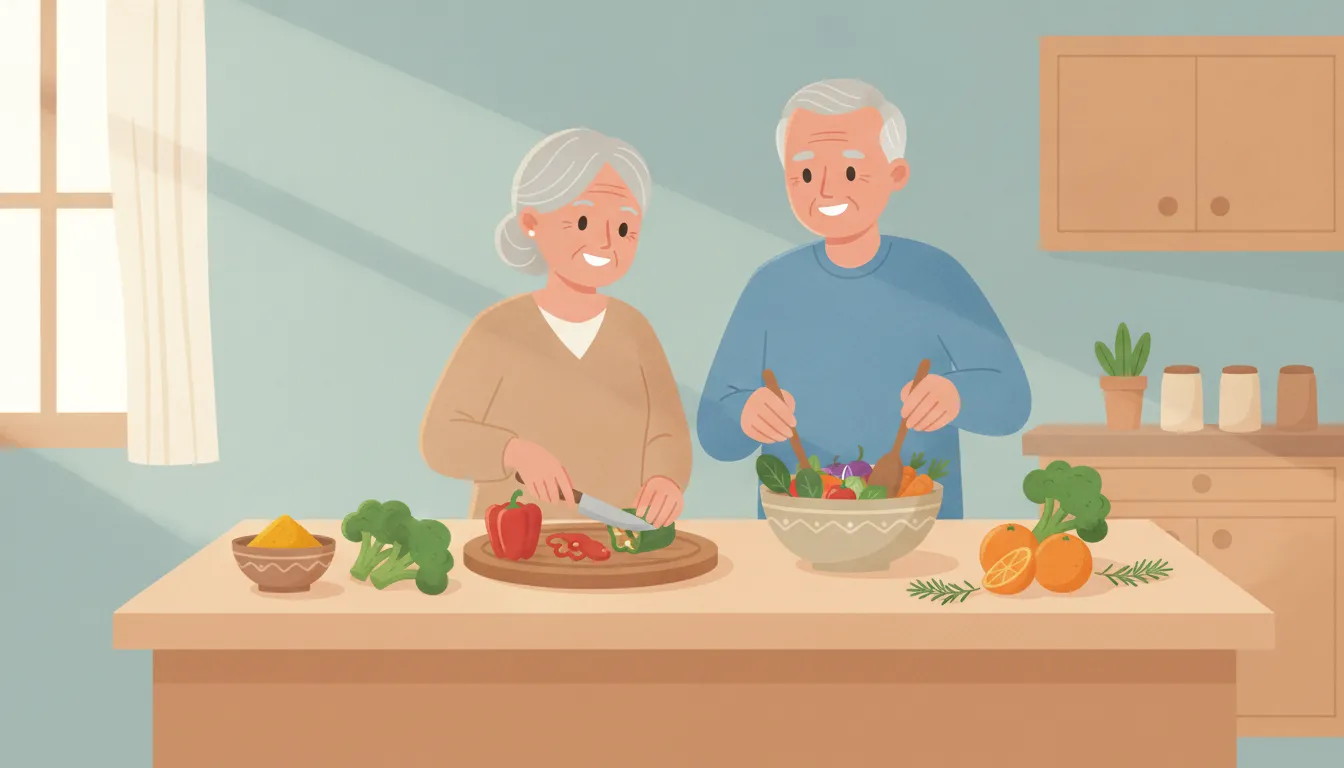
Food quality also provides the context a supplement cannot. Build meals around vegetables, fruit, beans, whole grains, nuts, healthy fats, and adequate protein when those foods fit your needs and medical guidance. The gut and brain are connected, so learning more about the connection between gut health and cognitive function can help you think beyond a single ingredient.
Social engagement and mentally stimulating activities deserve a place in the routine as well. Call a friend, join a group, volunteer, learn a skill, or make time for activities that require attention and conversation. These choices support quality of life while helping you stay engaged with the people and interests that matter to you.
Finally, keep medical care in the picture. Review new supplements with a clinician or pharmacist, especially if you take prescription medicines or manage a chronic condition. Curcumin research often focuses on inflammation and oxidative stress. You can read more about chronic inflammation and cognitive decline. A supplement should not be used to diagnose, prevent, or treat dementia or another disease. Think of turmeric as a possible addition to a balanced plan, alongside sleep, movement, nourishing food, connection, and appropriate care.
Explore a research-backed brain health formula
What Should You Expect From a Turmeric Routine?
A turmeric routine is not a quick test of willpower, and it is not a promise of a dramatic change in memory or focus. Individual response varies. Some people notice no obvious difference, while others may value gradual support for everyday well-being. Human research on curcumin and cognition is still mixed, so use a turmeric supplement for brain health as one part of healthy aging. Not as a treatment for a disease or a replacement for medical care.
Give the routine enough time to judge it fairly, but do not assume that more time guarantees a result. A practical approach is to follow the product directions consistently and pay attention over several weeks to the outcomes that matter to you. Such as how steady your focus feels or how well you manage ordinary tasks. Avoid relying on a single good or bad day. Sleep, stress, diet, medications, and other health factors can affect how you feel from week to week.
Product quality also matters. Turmeric powder and a standardized curcumin extract are not automatically equivalent, and curcumin absorption can depend on the formulation. Look for clear ingredient information and a form designed with absorption in mind. The available research notes that healthy fats or specialized formulations, such as phytosomes, may support absorption. Learn more about how Revival Point approaches research-backed supplements before choosing a product.
Use This Checklist Before You Continue
- Set one or two specific markers: Track a meaningful daily goal instead of waiting for a vague feeling of being sharper.
- Review the label: Confirm the ingredient form, serving directions, and what the product actually contains.
- Check for fit: Ask a clinician or pharmacist about possible interactions, especially if you take medication or have an ongoing health condition.
- Reassess honestly: Continue only if the routine fits your goals, budget, and overall care plan.
Revival Point products emphasize research-backed ingredients, and the company offers a verified 90-day money-back guarantee. That policy can reduce the financial risk of trying a product, but it does not change the evidence or guarantee a personal outcome. The right standard is simple: choose a transparent product, use it responsibly, and judge it by realistic expectations rather than hype.
See the doctor-formulated Total Brain Boost supplement
Frequently Asked Questions
Does Turmeric Improve Memory?
It may help some aspects of memory, but the evidence is not settled. A 12-month study in older adults found less decline on one cognitive screening measure in the curcumin group than in the placebo group. Other human studies have reported working-memory benefits, while broader cognition has not improved consistently. Set realistic expectations, and do not treat a supplement as a substitute for medical evaluation.
How Should You Take Turmeric for Maximum Absorption?
Take a curcumin product with a meal that contains healthy fat, or choose a clearly labeled formulation designed to improve absorption. Phytosomal extracts and formulations paired with black pepper are examples discussed in the research materials. Check the Supplement Facts panel for the actual curcumin amount and formulation rather than assuming that a general turmeric powder provides the same exposure.
Is Turmeric Effective for Brain Inflammation?
Curcumin is being studied for antioxidant activity and its effects on inflammatory responses, both of which matter to healthy aging. That research supports a plausible mechanism, not proof that a turmeric supplement treats brain inflammation or a neurological disease. Use language such as may support a healthy inflammatory response, not that it will repair or protect the brain.
Can Turmeric Supplements Cause Side Effects?
Yes. Gastrointestinal effects have been reported in curcumin research, and individual formulations may not suit everyone. Ask a clinician or pharmacist to review the product before taking it if you use prescription medicines. Have a chronic condition, are preparing for a procedure, or have had problems with supplements before. Follow the product label and stop if you develop concerning symptoms.
Is Turmeric a Treatment for Alzheimer's Disease?
No. Early laboratory and human research does not establish turmeric or curcumin as a treatment or prevention for Alzheimer's disease or dementia. New or worsening memory changes deserve a proper medical assessment. A supplement can be considered only as one optional part of a broader routine that includes sleep, movement, nutritious food, social connection, and appropriate medical care.
Ready to Review Your Turmeric Options?
Choosing a curcumin supplement is easier when you can compare the formulation, evidence, and safety considerations in plain English. Review Revival Point's research-backed supplement options and contact the team with questions about finding a product that fits your healthy-aging routine. Supplements are not a replacement for medical care, so discuss turmeric or curcumin with your clinician if you take medication or manage a health condition. Contact the Revival Point team.
