


Bone health is not a one-supplement problem. Calcium matters, but the decision also depends on your diet, vitamin D, strength, medicines, and health history.
Contact Revival Point about your calcium questions
Calcium supplements for bone health may make sense when food does not provide enough calcium. They are not automatically better than a food-first approach.
Count calcium from meals and supplements together. Ask a clinician before supplementing if you have kidney disease, kidney stones, cardiovascular concerns, or possible medication interactions.
Start with the basics: understand what calcium does, how much you may need, and which foods can help you reach that target. Then the right supplement, if any, becomes a more informed decision.
What Do Calcium Supplements for Bone Health Actually Do?
Calcium is a basic building material for bone. Almost all the calcium in your body is stored in your bones and teeth, where it helps provide structure and hardness. The mineral also supports muscle movement, nerve signaling, blood-vessel function, and hormone release. The National Institutes of Health explains calcium's broader role in the body.
Your body cannot make calcium. It has to come from food, drinks, or supplements when needed. Calcium phosphate helps harden and strengthen bone, while vitamin D helps the body absorb calcium. That makes vitamin D part of the conversation, not an optional footnote. For a deeper explanation, see this guide to vitamin D for seniors.
Why enough calcium matters
When the diet does not provide enough calcium, the body can take what it needs from bone. Over time, that process can weaken bones and raise the risk of osteoporosis. This does not mean every person should automatically take calcium supplements for bone health. It means calcium adequacy matters, and the source matters too.
Food is usually the sensible starting point. Milk, yogurt, cheese, certain vegetables, fortified beverages, tofu, and some cereals can all contribute calcium. If your diet consistently falls short, a supplement may be worth discussing with a clinician. The goal is to close a gap, not to assume that more calcium automatically means stronger bones.
Calcium is necessary, not sufficient
Strong bones depend on more than one nutrient. Vitamin D supports calcium absorption, and muscles, movement, balance, overall nutrition, and health history also affect the larger bone-health picture. Calcium helps supply the raw material, but it cannot replace the rest of that plan.
That is why a practical approach looks at total intake from food and supplements together, rather than treating a pill as a complete solution. Read the Supplement Facts label for the actual amount of calcium provided. If you have questions about your intake, medications, or health conditions, ask a qualified clinician before adding a supplement.
How Much Calcium Do Older Adults Need Each Day?
For most older adults, the useful question is your total daily calcium intake, not the number printed on one supplement label.
Count calcium from everything you eat and take in a day. Calcium supplements for bone health are counted alongside food. They are not added to a separate target.
General reference ranges put daily calcium needs for adults age 51 and older at about 1,000 to 1,200 milligrams. The right number depends mainly on age and sex, as shown below. These figures are starting points for a conversation, not a personal prescription. Your diet, health history, medications, and clinician's advice still matter.
| Group | General daily amount | What to remember |
|---|---|---|
| Men ages 51-70 | 1,000 mg | This is the total from food and supplements. |
| Women ages 51-70 | 1,200 mg | This is the total from food and supplements. |
| Adults age 71 and older | 1,200 mg | This is the total from food and supplements. |
The National Institutes of Health lists 1,000 milligrams for men ages 51 to 70. It lists 1,200 milligrams for women ages 51 to 70 and adults 71 and older. Review the NIH calcium reference table for the broader age breakdown.
A separate Mayo Clinic summary describes the general range for adults 51 and older as 1,000 to 1,200 milligrams per day. It also states that total calcium intake should not exceed 2,000 milligrams daily for this age group.
That upper figure includes calcium from meals, beverages, fortified foods, and supplements. It is not just the number printed on a supplement bottle. See the Mayo Clinic guidance on calcium intake.
That distinction prevents a common mistake. Someone who already gets substantial calcium from food may need little or no supplemental calcium. Someone whose diet consistently falls short may discuss a supplement with a qualified clinician.
Do not automatically take enough pills to reach the target without estimating your food intake first. If you have been told to limit calcium, have a condition that affects mineral balance. Or take medicines that may interact with supplements, ask your clinician how to interpret these general ranges.
Which Foods Help You Reach Your Calcium Target?
Food should usually be the first place you look for calcium. It gives you a practical way to build intake into meals instead of treating a supplement as a substitute for eating well. The National Institutes of Health lists milk, yogurt, and cheese among the main calcium sources for many people in the United States. It also identifies several plant-based and fortified options. Review the NIH calcium food guide for the full list.
A simple breakfast might include yogurt with fruit, or a calcium-fortified cereal with milk or a fortified soy beverage. Check the package label on plant-based beverages and cereals, because fortification varies by brand. Tofu can also contribute calcium when it is made with a calcium-based ingredient. These choices can help people who do not eat dairy build a workable food pattern without relying on one food at every meal.
Lunch and dinner offer more options. Add kale, broccoli, or Chinese cabbage to a soup, stir-fry, or side dish. Canned sardines or salmon with bones are another source. The bones soften during canning, so they can be eaten as part of the fish. If that idea does not appeal to you, there is no need to force it. Rotate among foods you will actually eat.
Think in meal patterns rather than chasing a perfect menu. For example, breakfast could include fortified cereal, lunch could pair a leafy green vegetable with tofu, and dinner could include yogurt as part of a snack or dessert. A glass of fortified beverage can fit into the day if it works with your preferences and dietary needs. The goal is steady intake across ordinary meals, not a single oversized dose.
For more ideas, see Revival Point's guide to calcium-rich foods after 60. Also remember that vitamin D helps the body absorb calcium.
Our overview of vitamin D for seniors explains that part of the picture. If your diet regularly falls short, or medical conditions limit what you can eat, discuss the gap with a clinician before adding calcium supplements for bone health.
Are Calcium Supplements for Bone Health Right for You?
Calcium supplements may make sense when your regular diet does not provide enough calcium, but they are not an automatic requirement for everyone. The starting point is your total intake from food and drinks, not the largest supplement dose you can find. Mayo Clinic notes that a healthy diet is the preferred way to get calcium, while supplements may be an option when dietary intake falls short. Read the Mayo Clinic guidance on calcium supplements for the broader context.
That food-first approach is practical, not dismissive. Dairy foods, fortified beverages, tofu, certain vegetables, and other calcium-containing foods can contribute to your daily intake. Food also fits into an overall eating pattern rather than adding another pill to an already crowded routine. If you are unsure whether your meals provide enough, keep a short food record and review it with a clinician or registered dietitian. You can also start with these ideas for calcium-rich foods after 60.
Why more calcium is not automatically better
Meeting an appropriate intake is different from taking the biggest dose available. The body needs calcium for bone structure and other functions, but extra calcium does not guarantee stronger bones. In a review published through PubMed Central, six large randomized trials in community-dwelling people did not show statistically significant fracture prevention. The same review also found that cited meta-analyses did not show effective prevention of several fracture types with calcium, with or without vitamin D. Those findings do not mean calcium is unimportant. They mean a supplement should not be sold as a complete osteoporosis strategy. Review the evidence on calcium supplements and fracture prevention.
There is another reason not to wait for a dramatic warning sign. Osteoporosis can progress without symptoms until a weakened bone fractures, according to Cleveland Clinic. Bone breakdown can also exceed bone building in older adults, especially after menopause. A normal-feeling body does not prove that bone strength is normal. A clinician can consider your age, diet, medication history, fracture history, and other risk factors, then decide whether a bone-density evaluation or a supplement discussion is appropriate. Cleveland Clinic explains why osteoporosis risk can be easy to miss.
Before starting calcium supplements for bone health, ask a clinician to assess the gap between what you usually get from food and what you may need. Discuss vitamin D, since it helps the body absorb calcium, as well as any kidney, heart, or medication concerns. The right decision may be a supplement, a food adjustment, further testing, or no supplement at all. Adequate intake is the goal. More is not the goal.
Calcium Carbonate or Calcium Citrate: Which Form Makes Sense?
Choosing among calcium supplements for bone health is less about finding a universal winner and more about choosing a form you can use correctly. Calcium carbonate and calcium citrate can both be reasonable options, but their absorption differs. Your diet, stomach comfort, medications, and clinician's advice matter more than a flashy label.
| Form | How to take it | What to check |
|---|---|---|
| Calcium carbonate | Take with food for best absorption. | Read the Supplement Facts panel for the amount of calcium provided. |
| Calcium citrate | Can be absorbed with or without food. | Read the Supplement Facts panel for the amount of calcium provided. |
That meal-timing difference is practical. Carbonate may fit well if you already take supplements with breakfast or dinner. Citrate may be more convenient if your schedule is irregular or you prefer taking a supplement away from meals. Convenience does not make one form automatically better. The best choice is the one that matches your routine and health history.
Read the calcium amount, not just the compound name
Do not judge a product by the total weight of the calcium compound printed on the front. Check the Supplement Facts label and identify how much calcium the serving provides. That is the figure to consider when comparing a product with your food intake and overall daily needs. The National Institutes of Health advises checking this panel when choosing a calcium supplement, and its consumer fact sheet explains the different timing requirements for carbonate and citrate: calcium supplement guidance from the NIH.
If you are deciding between the two, ask a pharmacist or clinician to review the label alongside your medications and medical history. A supplement should fill a genuine gap, not replace calcium-rich foods or turn into an unnecessary extra dose. Keep the decision simple: confirm the calcium amount, follow the form's food instructions, and choose the option you can take consistently and safely.
What Side Effects, Interactions, and Health Risks Matter?
Calcium supplements are not automatically harmless because calcium is a nutrient. The dose, your diet, your medical history, and your other medicines all matter. Before adding one, ask your clinician or pharmacist to review whether you need it, how much total calcium you already get, and when to take it.
Constipation and other digestive effects
Constipation is one of the most common complaints linked with calcium supplements. Some people also report other gastrointestinal distress. If a product causes persistent constipation, bloating, or stomach discomfort, do not simply keep taking it and hope the problem disappears. Tell a healthcare professional. They may review the amount, the form of calcium, your fluid and fiber intake, and whether another product or medicine is contributing. A food-first approach may also reduce the need for a large supplemental dose. For practical food ideas, see this guide to calcium-rich foods after 60.
Kidney stones and kidney health
Kidney-stone history deserves a specific conversation before you start calcium, particularly when vitamin D is also involved. A review of the Women's Health Initiative reported a 17% increase in kidney-stone risk among participants randomized to calcium plus vitamin D. That finding does not prove that every calcium supplement will cause stones, but it is a reason to avoid guessing about your dose. Source: the cited review of calcium supplementation and health outcomes.
If you have had kidney stones, chronic kidney disease, abnormal kidney tests, or another kidney condition, ask your clinician what is appropriate before supplementing. Your personal risk may depend on your diet, medications, kidney function, and the amount of calcium and vitamin D you use. Do not borrow a dose from a friend or from a general bone-health checklist.
Medication timing and health history
Bring a complete medication and supplement list to the review. Calcium can be relevant to medication timing, and the right schedule depends on the specific drug and calcium product. Ask a pharmacist whether calcium should be separated from any prescription or over-the-counter medicine you take. Do not change the timing of a critical medicine without professional guidance.
Some medicines, including phenytoin, steroids, and aromatase inhibitors, are listed as osteoporosis risk factors. That does not mean you should add calcium automatically. It means your bone-health plan may need a closer review. If you have kidney disease, a history of kidney stones, or cardiovascular disease or other heart concerns, discuss calcium and vitamin D with your clinician. Research has raised questions about supplemental calcium and cardiovascular outcomes, but it does not justify absolute claims that calcium supplements are dangerous for everyone. Food sources are generally the preferred starting point when they can meet your needs.
Stay within your total daily intake
Count calcium from food and supplements together. A Mayo Clinic summary states that adults age 51 and older should not exceed 2,000 mg of total calcium per day. This is an upper limit, not a target. Check the Supplement Facts label for the amount of calcium provided, then consider what you eat before adding more. For related context on absorption and vitamin D, read vitamin D for seniors. If you are unsure, ask your clinician or pharmacist to help you review the total and the timing rather than making a personalized prescription for yourself.
How Do Calcium Supplements for Bone Health Fit Into a Stronger Bone Plan?
Calcium matters, but it is only one part of the plan. Vitamin D helps your body absorb calcium, so adequate vitamin D status matters when you are trying to support bone health. Food quality matters too. A steady pattern of protein-rich meals, vegetables, and calcium-containing foods gives your body more than an isolated mineral. A healthy diet is generally the preferred way to obtain needed calcium, while supplements may have a role when diet falls short.
This broader approach becomes more important with age. In older adults, especially after menopause, bone can break down faster than it is built. That does not mean weaker bones are inevitable. It does mean calcium supplements for bone health should not be treated as a complete strategy.
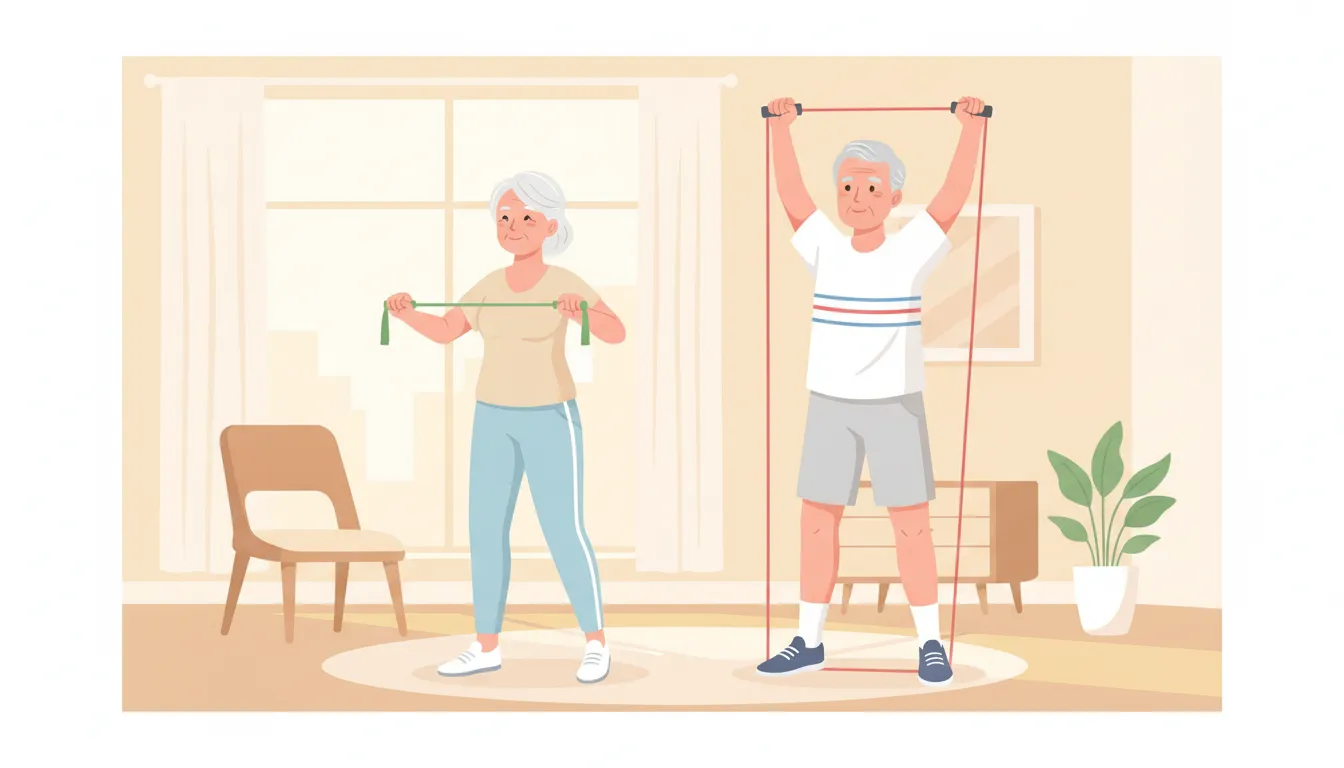
Support strength, movement, and balance
Resistance and weight-bearing movement give your bones and muscles a reason to stay engaged. Choose activities that match your current ability and health history rather than copying an aggressive online workout. A clinician or qualified exercise professional can help you select safe movements, especially if you have pain, a prior fracture, or limited mobility.
Balance work deserves equal attention. Preventing a fall is part of protecting fragile bones. Improving steadiness, using appropriate support, keeping walkways clear, and addressing vision or footwear problems can all fit into a practical fall-prevention plan. The goal is not athletic performance. It is maintaining enough strength, confidence, and control to move safely through daily life.
Know when assessment matters
Bone loss can progress without symptoms until a weakened bone fractures. That is why a clinician assessment may be more useful than simply adding another supplement. Ask about your personal risk factors, medication history, dietary pattern, vitamin D needs, and whether bone-density testing is appropriate. Your clinician can also help distinguish a nutrition gap from a condition that needs medical treatment.
For a practical starting point, review this guide to vitamin D for seniors and the broader bone health after 60 plan. Build the foundation first, then use supplements only where they solve a specific gap.
Sources: National Institutes of Health calcium fact sheet; NIAMS calcium and vitamin D guidance; Cleveland Clinic osteoporosis guidance.
Contact Revival Point before you choose a calcium supplement
Frequently Asked Questions
What type of calcium is best for bone health?
There is no universal winner. Calcium carbonate is absorbed best with food, while calcium citrate can be absorbed with or without food. Check the Supplement Facts label for the actual calcium amount, then choose the form that fits your meals, medications, and clinician's advice. The NIH Office of Dietary Supplements explains these differences.
Can I take calcium capsules every day?
Maybe, but do not treat a supplement as automatic insurance. First estimate calcium from your usual food and drinks, then use a supplement only if your intake falls short or your clinician recommends one. For adults 51 and older, total daily calcium should generally stay at or below 2,000 mg, including food and supplements, according to the Mayo Clinic summary.
Does calcium improve bone density?
Calcium supplies a mineral your body needs to build and maintain bone, but it is not a complete osteoporosis treatment. Vitamin D, adequate food, strength and weight-bearing activity, balance work, and medical evaluation also matter. If you have a fracture, height loss, or other osteoporosis risk, ask your clinician whether you need a bone-density assessment instead of simply adding a supplement.
What side effects can calcium tablets cause?
Constipation and other digestive discomfort are common complaints. Supplements may also matter if you have kidney problems, a history of kidney stones, or cardiovascular concerns. Calcium can interact with some medicines, so bring your full medication and supplement list to a clinician or pharmacist before starting it. Do not increase the dose to chase faster results.
How should I take calcium for better absorption?
Follow the product label and your clinician's instructions. Take calcium carbonate with a meal. Calcium citrate works with or without food. Because your total intake includes food, drinks, and supplements, review the whole day rather than focusing only on the capsule strength.
Ready to Make a More Informed Choice?
Calcium decisions depend on your diet, health history, and the other medicines or supplements you take. A clear conversation can help you sort through options without treating calcium as a complete bone-health plan. To learn more about Revival Point's doctor-formulated, research-backed health products and ask product questions, contact the Revival Point team.
